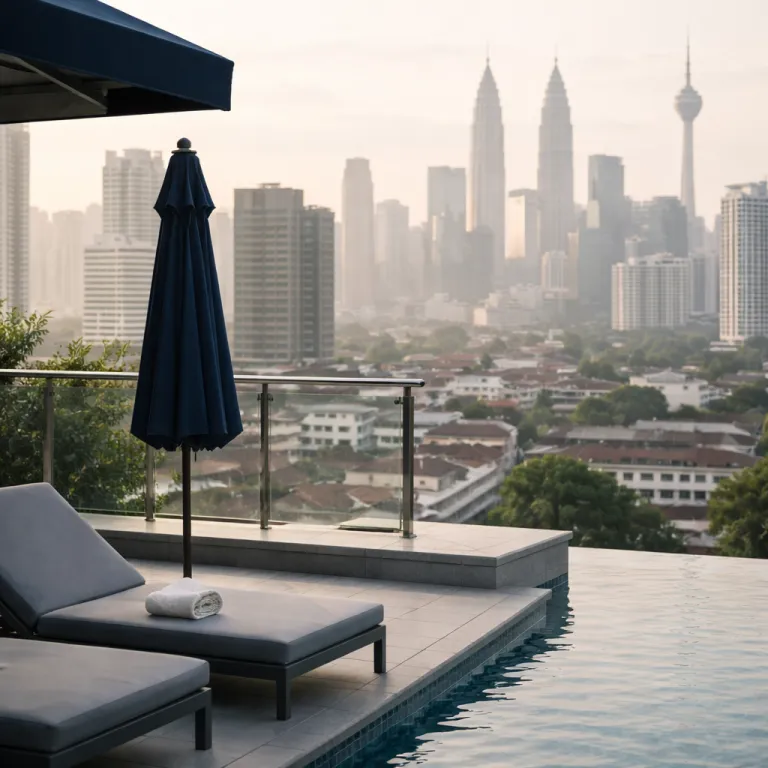
Mapping where to stay in Malaysia for a first refined trip
Choosing where to stay in Malaysia starts with one decision. Do you want a high rise city skyline in Kuala Lumpur or a quiet island resort with only waves for company. From there, every location, every hotel and every coast falls into place.
For a first stay in Malaysia, most travelers land at Kuala Lumpur International Airport and head straight into the city. The capital sits at the heart of Southeast Asia’s air routes, so it is the most efficient place to start or end a wider journey across islands, beaches and highland retreats. With 25 million tourist arrivals recorded by Tourism Malaysia and an average hotel occupancy rate above 68.5 percent, the country’s hospitality scene is both mature and competitive.
Think of the country as three distinct canvases for where to stay Malaysia in style. The west coast offers Kuala Lumpur, George Town and island enclaves such as Pangkor Laut, while the east coast delivers quieter beaches and marine life around the Perhentian Islands and Lang Tengah. Then there is Borneo, where Kota Kinabalu, Mount Kinabalu and the Kinabatangan River pair luxury lodges with rainforest and reef sharks offshore.
Every city, island and resort in Malaysia rewards a different kind of trip. Kuala Lumpur is the best place for business, dining and short stays, while Langkawi and the Perhentian Islands are ideal for longer beach time. Cameron Highlands and the interior river valleys suit travelers who prefer cool air, tea estates and slower days between meetings.
When readers ask where to stay Malaysia for a first visit, my answer is layered. Spend at least two or three nights in Kuala Lumpur to understand the city’s rhythm, then add an island or highland stay for contrast. The best time allocation is usually four to seven nights in total, with more time on the coast if you crave beaches and boat rides.
Golden Triangle and Bukit Bintang: Kuala Lumpur’s luxury density zone
The Golden Triangle around Bukit Bintang is where to stay Malaysia if you want energy on your doorstep. This is the city’s luxury density zone, with malls, street food, rooftop bars and some of the best hotels in Kuala Lumpur packed into a walkable grid. For business travelers extending a work trip, it is the most efficient location to turn a few extra days into a proper urban stay.
Here, international names cluster around Pavilion Kuala Lumpur and the surrounding streets, creating a resort like concentration of services in the middle of the city. You can finish a meeting in one tower, cross the road for a late lunch of street food, then be back in your hotel spa before the evening traffic builds. Bukit Bintang suits first timers who want an easy answer to where to stay, because every place you need is either connected by covered walkway or a short LRT or MRT ride away.
Nightlife in this part of Kuala Lumpur is polished rather than wild. Expect cocktail bars in hotel lobbies, speakeasies hidden above shophouses and late night cafés where executives debrief after a long day and count the lumpur spent on shopping. If you are planning a wider circuit that includes Penang or Ipoh, this is also where you will find the smoothest connections to the airport rail link and long distance trains.
For travelers curious about heritage cities beyond the capital, pairing Bukit Bintang with a refined stay in Ipoh works beautifully. Our detailed guide to Ipoh for discerning travellers seeking refined stays and heritage charm explains how to structure that combination. In practice, two nights in the Golden Triangle and two nights in Ipoh gives you both city gloss and small town character.
If your priority is shopping, dining and quick airport access, this is the best location in Malaysia to base yourself. The international airport rail link delivers you to KL Sentral, and from there the MRT takes less than fifteen minutes to reach Bukit Bintang. For many readers asking where to stay Malaysia on a short schedule, this neighbourhood remains my default recommendation.
KLCC and Merdeka 118: skyline stays and the new wave of openings
Shift a few blocks from Bukit Bintang and the mood changes around KLCC and Merdeka 118. Here, where to stay Malaysia becomes a question of views, because the hotels frame the city’s most dramatic skyline. Park Hyatt Kuala Lumpur, set within Merdeka 118, now anchors this corridor from a tower that is the second tallest building in the world and the tallest in Southeast Asia.
Alongside Park Hyatt, established names such as Mandarin Oriental and Four Seasons line the KLCC park, each offering a different angle on the Petronas Twin Towers and the wider city. This is where to stay if you want a hotel that doubles as a quiet resort in the sky, with pools overlooking the park and rooms that feel cocooned from the traffic below. For executives, the address carries weight, yet the LRT and covered walkways keep everything surprisingly practical.
The Golden Triangle and KLCC corridor are absorbing most of Kuala Lumpur’s upcoming luxury openings, including Conrad, Waldorf Astoria and Kimpton. That influx of rooms will reshape where to stay Malaysia for high end travelers, because more supply usually means sharper pricing and better negotiation leverage on suites and club floors. When 2,641 new rooms enter a single city market, it becomes easier to secure late check out, upgrades or airport transfers as part of your rate.
For those planning a wider itinerary that includes Borneo or the islands off the west coast, this corridor is also a strategic base. Our route planner in Malaysia and Borneo refined stays from Kuala Lumpur to the wild north shows how to pair KLCC hotels with Kota Kinabalu and the Kinabatangan River. In practice, you can land at the international airport, spend two nights in a skyline hotel, then fly east for marine life and rainforest.
When readers ask where to stay Malaysia for a once in a lifetime city experience, I point them here. A corner suite facing the towers at the best time of day, just after rain when the air clears, is still one of the great urban views in Asia. It is a very different kind of luxury from an island resort, but no less compelling.
Bangsar, Sentul and Titiwangsa: lifestyle neighbourhoods and emerging art scenes
Not every luxury traveler wants to sleep above a mall or a park. For repeat visitors wondering where to stay Malaysia beyond the obvious, Bangsar offers a more residential rhythm with cafés, wine bars and low rise streets. It is the city’s lifestyle district of choice for executives who have done the Golden Triangle and now want a slower, more local stay.
Bangsar’s appeal lies in how easily you can switch between meetings and real life. You might spend the day in a Kuala Lumpur office tower, then return to a hotel where the staff know your name and the nearest street food stall knows your usual order. The LRT connects Bangsar to KL Sentral in minutes, so airport transfers remain simple even when you choose this softer edge of the city.
North of the centre, Sentul and Titiwangsa are quietly building an arts and culture profile. Irama KL and a handful of design forward properties are turning old warehouses and industrial plots into places where to stay Malaysia feels more like joining a creative community than checking into a standard hotel. This is where the city’s next wave of interesting openings is likely to cluster, as land in the Golden Triangle becomes scarcer.
These neighbourhoods suit travelers who have already spent time in the classic Kuala Lumpur districts and now want a different lens on the city. You are still within easy reach of KLCC, Bukit Bintang and the main business addresses, but your immediate surroundings are galleries, small restaurants and parks rather than mega malls. For many, that trade off is exactly what makes the stay feel fresh.
When you map out where to stay Malaysia across multiple trips, Bangsar and Sentul become the second or third chapter. Start central on your first visit, then graduate to these lifestyle districts once you know how the transport lines run. The reward is a version of the city that feels more lived in and less staged.
Islands, coasts and highlands: choosing your Malaysian escape beyond Kuala Lumpur
Once you have anchored your itinerary in the capital, the real question becomes which island, coast or highland to pair with it. Malaysia stretches across a location northwest of Borneo and down the Malay Peninsula, so the choice of where to stay Malaysia outside the city is wide. The best time to visit each region depends on monsoon patterns, which shape sea conditions and beach life.
On the west coast, Langkawi and Pangkor Laut offer classic resort experiences with calm seas for most of the year. Langkawi’s beaches range from broad, lively stretches to quiet coves, while Pangkor Laut is a private island where villas step down to the water and boat rides are part of daily life. This side of the peninsula is also easier to combine with Penang and George Town, where our guide to elegant stays in Penang helps you choose the right hotel for a refined island escape.
The east coast is a different proposition, quieter and more seasonal. Perhentian Islands and Lang Tengah are where to stay Malaysia if you care about marine life, reef sharks and clear water more than shopping or nightlife. Many resorts here sit right on the beach, so your day is defined by the tide, the time of your next dive and the rhythm of the river mouths that feed the coast.
Cameron Highlands, inland from the west coast, offers a cool alternative to both city and beach. Tea estates roll across the hills, and the best hotels here feel like country houses with fireplaces rather than tropical resorts with palm trees. For travelers who have already spent time on islands, this highland air can be the perfect reset before flying home.
When planning where to stay Malaysia across these regions, consider flight and boat connections carefully. A trip that combines Kuala Lumpur, Langkawi and Cameron Highlands uses efficient west coast routes, while an itinerary that includes the Perhentian Islands or Lang Tengah requires more attention to transfer times and the last boat ride of the day. The reward for that planning is a stay that feels seamless rather than fragmented.
Borneo, rivers and wildlife: Kota Kinabalu and beyond for refined nature stays
For travelers who want their luxury wrapped in rainforest and sea spray, Malaysian Borneo is where to stay Malaysia becomes an adventure. Kota Kinabalu, on the coast of Sabah, is the main gateway, with a compact city centre and a waterfront lined with hotels. From here, you can see Mount Kinabalu on clear mornings and still be back in time for a sunset drink by the marina.
High end resorts near Kota Kinabalu balance access to the city with island and beach excursions. Short boat rides take you to offshore islands where marine life thrives, and day trips can include snorkelling with reef sharks in carefully managed areas. This combination of city comfort and wild coast makes Kota Kinabalu one of the best places in Malaysia for travelers who want nature without sacrificing service standards.
Deeper into Sabah, the Kinabatangan River is a different kind of waterway. Here, lodges sit along the riverbanks, and the luxury is in the silence, the wildlife sightings and the sense of time slowing down. When you ask where to stay Malaysia for proboscis monkeys at dawn and hornbills overhead, this river is the answer.
Pairing Kota Kinabalu with the Kinabatangan River works well for a five to seven night Borneo chapter. Start with two or three nights in a city or beach resort near Kota Kinabalu, then fly or drive inland for a river stay that feels completely removed from urban life. This sequence also helps with jet lag, letting you adjust in the city before heading into the forest.
For many readers, Borneo is the third or fourth trip once they have already spent time in Kuala Lumpur, Langkawi or Penang. When you reach that stage of planning where to stay Malaysia, the question is no longer whether to go, but how long you can afford to be offline. The answer, if you can manage it, is always longer than you think.
Pricing, timing and how to use Malaysia’s hotel boom to your advantage
Malaysia’s hospitality market is expanding fast, and that matters when you decide where to stay. With the national hotel sector valued in the tens of billions of US dollars, competition between properties in Kuala Lumpur, on the coasts and across the islands is intense. For travelers, that competition translates into better opening offers, sharper loyalty benefits and more leverage when negotiating rates.
The wave of new luxury hotels in Kuala Lumpur, especially around the Golden Triangle and KLCC, is already influencing pricing. As Conrad, Waldorf Astoria, Kimpton and others open hundreds of rooms, established hotels must work harder to justify their rates with service, design and added value. This is the moment to be precise about what you want from a stay, because you can often secure extras such as airport transfers, spa credits or late check out without paying more.
Timing also shapes where to stay Malaysia, particularly when you factor in monsoon seasons on the east and west coasts. The best time for Langkawi, Pangkor Laut and most west coast islands is different from the best time for the Perhentian Islands or Lang Tengah on the east coast. Aligning your dates with the right coast ensures calmer seas, more reliable boat rides and better access to marine life.
Within the city, shoulder periods outside major holidays can be ideal. You still enjoy full services, but occupancy dips just enough that upgrades become more likely and the lumpur spent on your room feels better justified. In beach and island resorts, midweek stays often carry quieter beaches and more attentive service, especially when the property hosts both international and domestic guests.
When planning where to stay Malaysia, use transport as a filter as much as price. Check how long it takes to reach your hotel from the international airport, how reliable the last boat ride of the day is and whether the LRT or MRT connects your chosen neighbourhood. A slightly higher nightly rate in a better connected location can save hours of transfer time and make the entire stay feel more effortless.
Key figures shaping Malaysia’s luxury hotel landscape
- Tourism Malaysia reports around 25 million tourist arrivals in the country in a recent year, a volume that supports a wide range of luxury, premium and independent hotels across cities, coasts and islands.
- The national average hotel occupancy rate stands at about 68.5 percent according to Tourism Malaysia, indicating a healthy but competitive market where travelers can often find value even in peak periods.
- Kuala Lumpur is set to add 2,641 new luxury hotel rooms in a single development cycle, with major openings such as Conrad, Waldorf Astoria and Kimpton concentrated in the Golden Triangle and KLCC corridor.
- Park Hyatt Kuala Lumpur occupies part of Merdeka 118, which is the second tallest building in the world and the tallest in Southeast Asia, giving guests one of the highest hotel viewpoints on the planet.
- Malaysia’s hospitality market is valued at over 50 billion US dollars in current assessments, underlining the scale of investment flowing into new resorts, city hotels and highland retreats.
FAQ: where to stay in Malaysia for different types of trips
What is the best area to stay in Kuala Lumpur for first time visitors ?
For a first stay in Kuala Lumpur, Bukit Bintang in the Golden Triangle is usually the best area. It concentrates shopping, dining, street food and many of the city’s top hotels in a compact, walkable location. The area also connects easily to KLCC and the airport rail link via LRT and MRT lines.
Are there beach resorts in Malaysia suitable for luxury travelers ?
Yes, Malaysia offers a wide range of beach resorts on both the west and east coasts. Langkawi and Pangkor Laut on the west coast, and the Perhentian Islands and Lang Tengah on the east coast, all host high end properties with strong service standards. Your choice depends on whether you prioritise calm seas year round or peak season marine life and diving.
Is it expensive to stay in Malaysia compared with other Southeast Asian destinations ?
Malaysia offers accommodations for various budgets, from premium city hotels to high end island resorts. Luxury properties in Kuala Lumpur often price below equivalents in Singapore or Hong Kong, while still delivering strong hardware and service. On the islands, rates can be higher in peak season, but value remains competitive against similar resorts elsewhere in Southeast Asia.
What is the best time of year to combine Kuala Lumpur with an island stay ?
The best time to pair Kuala Lumpur with a west coast island such as Langkawi or Pangkor Laut is generally during the drier months outside the main monsoon. For east coast islands such as the Perhentian Islands or Lang Tengah, the ideal period is the opposite season, when seas are calmer and visibility for snorkelling and diving improves. Checking regional weather patterns before booking helps you choose the right coast for your dates.
How should I choose between a city hotel, a highland retreat and a beach resort ?
Start by deciding how you want to feel at the end of each day. City hotels in Kuala Lumpur suit travelers who enjoy dining, shopping and easy meetings, while Cameron Highlands offers cool air and slower evenings. Beach and island resorts are best if you want your schedule to revolve around tides, boat rides and time in the water.