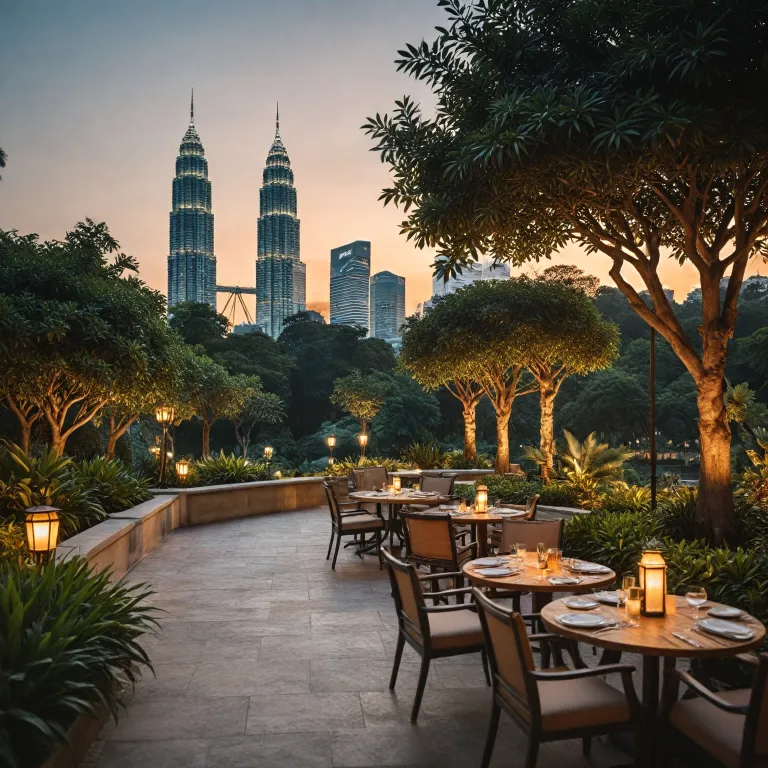
Essential things to do in Kuala Lumpur for first time visitors
The city of Kuala Lumpur welcomes first time visitors with a striking skyline and a warm, cosmopolitan atmosphere. Among the most essential things to do in Kuala Lumpur, standing beneath the Petronas Twin Towers and admiring their shimmering façades quickly sets the tone for your stay. From this central area, you can easily walk to KLCC Park, where landscaped paths, fountains, and a lake frame the twin towers beautifully.
Many travellers start their day at the iconic Petronas Towers, then continue to Merdeka Square to understand how the city evolved from a colonial outpost into modern Malaysia. Around Merdeka Square, the city gallery offers a concise overview of Kuala Lumpur’s history, architecture, and future developments, which is especially helpful if you have limited time. These experiences work well for guests staying in a central luxury hotel, who can move efficiently between landmarks using public transportation or private transfers.
Another of the classic things to do in Kuala Lumpur is a visit to the Batu Caves, a limestone hill with colourful steps leading to sacred Hindu shrines. The Batu Caves area combines spirituality, geology, and culture, and many premium hotels can arrange private guides to explain the religious significance. When planning your visit, check opening hours in advance, wear modest clothing, and allow time to explore the surrounding eco park trails and smaller caves.
Within the historic core, Chinatown and the nearby central market offer a different perspective on the city and its people. A leisurely walk through Petaling Street reveals temples, street art, and stalls selling everything from textiles to local snacks, which makes this area ideal for a relaxed afternoon. These neighbourhoods are also convenient for travellers who want to balance cultural immersion with easy access to high end shopping malls and refined dining.
Planning your Kuala Lumpur itinerary around culture, climate, and comfort
Thoughtful planning helps you prioritise the most rewarding things to do in Kuala Lumpur while avoiding fatigue in the tropical heat. Kuala Lumpur can be visited year-round, but the dry season from May to July offers more favorable weather. Luxury travellers often align their stay with this period, then fine tune their schedule using specialist resources such as guidance on the best time to visit Malaysia for premium hotel stays.
Morning is usually the best time to visit outdoor sites like KLCC Park, the eco park near KL Tower, or the Batu Caves area, when temperatures are gentler and crowds thinner. In the afternoon, many visitors retreat to their hotel spa or pool, then head out again to a shopping mall or the city gallery once the sun softens. This rhythm allows you to enjoy both the city and your luxury accommodation without feeling rushed.
When planning cultural experiences, consider combining Merdeka Square, the city gallery, and nearby mosques or temples into a single half day walk. This approach saves time and helps you understand how Malay, Chinese, and Indian communities shaped Kuala Lumpur, especially around Chinatown and Petaling Street. In the evening, you can transition seamlessly from heritage to gastronomy with a curated food tour focused on regional street food.
Practical details such as opening hours, ticketing, and transport options matter greatly for a smooth stay. Many premium hotels in Kuala Lumpur offer concierge teams who monitor changes in attraction schedules and can secure timed entries for the Petronas Twin Towers or other towers. Use public transportation for convenience, stay hydrated due to the tropical climate, respect local customs and traditions, and plan visits to popular attractions during weekdays to avoid crowds.
Exploring neighbourhoods, parks, and temples across the city
Beyond the famous skyline, some of the most memorable things to do in Kuala Lumpur involve exploring distinct neighbourhoods and green spaces. Bukit Bintang is widely regarded as one of the best areas for shopping malls, dining, and nightlife, with easy access to both international brands and local Malaysia designers. Many luxury hotel properties cluster here, giving guests a refined base within walking distance of major attractions and public transport.
From Bukit Bintang, you can walk or take a short ride to KLCC Park, where landscaped lawns, a children’s pool, and shaded paths offer a welcome contrast to the surrounding towers. This park is especially appealing for families who want free outdoor time without leaving the city centre, and it frames the Petronas Twin Towers beautifully at sunset. Nearby shopping malls provide air conditioned comfort, gourmet food courts, and direct connections back to your hotel.
Another essential stop is the Thean Hou Temple, often simply called Thean Hou, which sits on a hill overlooking Kuala Lumpur. Visiting Thean Hou allows you to appreciate intricate Chinese architecture, colourful lanterns, and panoramic views of the city and its towers. Many discerning travellers combine Thean Hou with a side trip to heritage rich destinations such as Ipoh for heritage charm and refined stays, creating a multi city Malaysia itinerary.
Chinatown, centred on Petaling Street, remains one of the liveliest districts in Kuala Lumpur for both shopping and food. Here, you can sample street food, browse the central market, and admire emerging street art that decorates alleys and side lanes. This area is also convenient for guests who prefer smaller, characterful hotel options while staying close to major transport links and cultural sites.
Street food, markets, and refined dining experiences
Culinary exploration ranks among the most rewarding things to do in Kuala Lumpur, especially for travellers who appreciate both street food and fine dining. The city’s food culture reflects Malay, Chinese, Indian, and international influences, which you can experience in humble stalls, modern cafés, and hotel restaurants. Many luxury hotel kitchens collaborate with local producers to highlight regional Malaysia ingredients while maintaining global standards of service.
Night markets and hawker streets are ideal places to sample authentic street food in a lively atmosphere. Areas near Petaling Street, Chinatown, and Bukit Bintang offer everything from satay and noodles to tropical fruit, often at very accessible prices. Joining a guided food tour can be helpful if you want to navigate the variety efficiently, understand local etiquette, and manage dietary preferences.
For travellers who prefer a quieter environment, many shopping malls in Kuala Lumpur host curated food halls and upscale restaurants. These venues provide air conditioned comfort, clear information on opening hours, and easy access to taxis or public transport back to your hotel. They also work well for families or business travellers who need reliable options at different times of day.
Balancing casual and refined meals allows you to appreciate the full spectrum of Kuala Lumpur’s food scene. You might start with a simple breakfast near your hotel, enjoy a free afternoon tasting street food in Chinatown, then end the day with a tasting menu overlooking the twin towers. Over several days, this approach turns each meal into a meaningful part of your overall city experience.
Luxury hotel stays and premium ways to experience Kuala Lumpur
For many travellers, choosing the right hotel is as important as selecting the main things to do in Kuala Lumpur. The city offers a wide range of luxury and premium hotel options, from international brands near the Petronas Twin Towers to refined properties in Bukit Bintang and KLCC Park. These hotels often provide panoramic views of the towers, personalised concierge services, and seamless access to both shopping malls and cultural sites.
Guests who value efficiency may prefer hotels connected directly to a shopping mall, which simplifies movement during heavy rain or peak heat. Others choose properties near eco park areas or quieter residential streets, trading immediate access to Petaling Street or Chinatown for a more tranquil atmosphere. In both cases, proximity to public transportation helps you reach Batu Caves, Merdeka Square, or Thean Hou without logistical stress.
Airport access is another key consideration for luxury travellers planning their Kuala Lumpur itinerary. Many visitors look for refined airport hotels near Kuala Lumpur International Airport to ensure a smooth arrival or departure, especially after long haul flights. These properties often coordinate private transfers into the city, allowing you to reach your main hotel or first activity with minimal waiting time.
Within the city, premium hotels frequently curate bespoke experiences that highlight Kuala Lumpur’s culture and food. Examples include private evening visits to the Petronas Twin Towers, guided walks through central market and Chinatown, or tailored food tour itineraries focused on specific Malaysia regional cuisines. By leveraging these services, you can transform standard sightseeing into a personalised journey that reflects your interests and travel style.
Free time, practical tips, and deeper cultural connections
Leaving space for unstructured free time is essential when planning things to do in Kuala Lumpur, especially for guests staying in luxury hotels. A relaxed morning at the pool, followed by a spontaneous walk through a nearby park or street market, often reveals unexpected facets of the city. This balance between scheduled visits and open time helps you absorb Kuala Lumpur’s rhythm more naturally.
Safety and comfort are generally strong, but sensible precautions remain important in any large city. Yes, Kuala Lumpur is generally safe for tourists, but it's recommended to stay vigilant and follow standard safety precautions. Keep valuables secure, use reputable transport providers recommended by your hotel, and check opening hours for attractions like Batu Caves, the city gallery, and eco park facilities before you set out.
Engaging with local culture deepens your appreciation of Kuala Lumpur beyond its towers and shopping malls. Simple gestures such as greeting hotel staff, learning a few Malay phrases, or asking stall owners about their food can lead to memorable conversations. Respect for local customs, including modest dress at religious sites and sensitivity around photography, is valued throughout Malaysia.
Finally, consider how your choices support sustainable tourism and the long term vitality of the city. Opting for guided walks, eco park visits, and responsible food tour operators helps distribute benefits more evenly across different neighbourhoods and communities. Over time, this approach ensures that the best things to do in Kuala Lumpur remain accessible, authentic, and enriching for both visitors and residents.
Key statistics about Kuala Lumpur landmarks and skyline
- Petronas Twin Towers height : 452 meters, making them among the most recognisable twin towers globally.
- KL Tower height : 421 meters, offering panoramic views of the city and surrounding area.
- Merdeka 118 height : 644 meters, positioning it as one of the tallest towers in the world.
Frequently asked questions about visiting Kuala Lumpur
What is the best time to visit Kuala Lumpur ?
Kuala Lumpur can be visited year-round, but the dry season from May to July offers more favorable weather. During these months, humidity remains present yet showers are usually shorter, which makes outdoor activities more comfortable. Luxury travellers often align their hotel bookings with this period to maximise pool time, park visits, and rooftop dining.
Are there any entry fees for the attractions ?
Yes, some attractions have entry fees. It's advisable to check their official websites for the latest information. Premium hotels in Kuala Lumpur can also assist by confirming current prices, arranging tickets in advance, and suggesting free alternatives such as KLCC Park or certain temples when you wish to balance your budget.
Is Kuala Lumpur safe for tourists ?
Yes, Kuala Lumpur is generally safe for tourists, but it's recommended to stay vigilant and follow standard safety precautions. Most luxury hotel districts, including Bukit Bintang and KLCC, are well lit and busy into the evening, which contributes to a reassuring environment. As in any major city, staying aware of your surroundings and using trusted transport providers will help ensure a smooth and enjoyable stay.