Dewakan, data and the new centre of gravity in Kuala Lumpur
The latest Michelin Guide Kuala Lumpur & Penang 2024 quietly confirms a power shift. Dewakan remains the only restaurant in Malaysia with two Michelin stars, and its third consecutive starred year since the guide’s 2022 debut anchors Kuala Lumpur as the country’s serious fine dining capital. For luxury travellers planning where to stay, that single restaurant now shapes how high-end hotels think about food, about the inspectors who judge it, and about how they position their own flagship dining rooms.
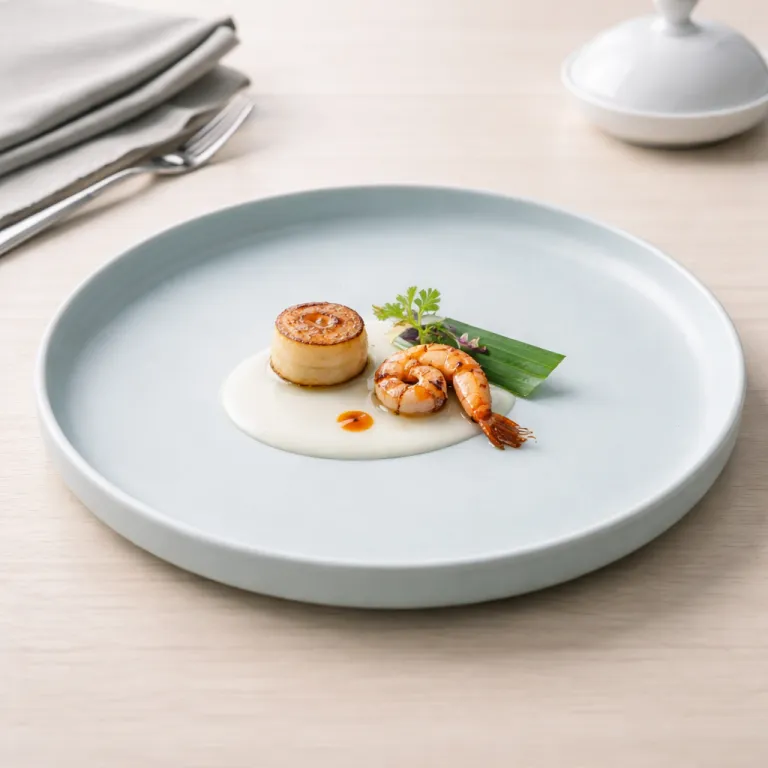
Dewakan’s chef works with jungle-foraged herbs, indigenous grains and coastal produce, turning the tasting menu into a concise guide to modern Malaysia on a plate. Michelin inspectors, who rely on anonymous restaurant evaluations and criteria-based assessments, have effectively endorsed this narrative of contemporary Malaysian culinary identity; as chef Darren Teoh has noted in interviews, the aim is to “tell a Malaysian story through ingredients rather than nostalgia.” When one restaurant in Kuala Lumpur becomes the reference point for the year’s Michelin narrative, hotel general managers start asking which of their own dining rooms might be next on the list and how to align their concepts with that standard.
According to the Michelin Guide Kuala Lumpur & Penang 2024 press announcement, the current edition officially lists 151 establishments across Kuala Lumpur and Penang, with 1 two-star restaurant, 8 one-star restaurants, 58 Bib Gourmand addresses and 84 Michelin Selected venues. That spread matters for travellers choosing where to book, because it shows how many serious restaurant options now sit within a short ride of the main luxury hotels in Kuala Lumpur and how dense the city’s fine dining map has become. At properties such as Four Seasons Hotel Kuala Lumpur, where the Michelin Selected restaurant Yun House anchors the food and beverage offering, revenue teams now track booking spikes around guide-release dates; one Kuala Lumpur general manager described a “double-digit lift in premium-room demand in the fortnight after the 2023 and 2024 announcements,” turning the guide into a planning tool rather than just an accolade.
From hawker heat to hotel keys: where the serious cooking is moving
The new selections show a clear tension between street food and hotel dining in Kuala Lumpur and Penang, and that tension is exactly where smart travellers should plan. Bib Gourmand awards, which recognise good quality and good value cooking, still lean heavily toward hawker food and kopitiam-style restaurants in both Kuala Lumpur and Penang, reflecting how central these stalls remain to local eating habits. Yet the most ambitious culinary projects, and the most intricate service choreography, are now emerging inside luxury hotels rather than only at standalone restaurant addresses, with tasting counters and chef’s tables increasingly attached to branded properties.
For solo explorers booking premium rooms, the question is no longer whether to chase a Bib Gourmand stall or a Michelin Selected dining room, but how to combine both in one stay. A night at a central Kuala Lumpur hotel with a serious in-house chef allows you to walk to street food, then return to a tasting menu that interprets the same flavours with linen and stemware, turning char kway teow, laksa or satay into plated courses. Local food writers frequently describe Jalan Alor, in the heart of Kuala Lumpur, as one of the city’s busiest open-air food streets, which makes it an obvious axis for this contrast between smoky grills and multi-course menus within a few kilometres.
Michelin inspectors have widened their list to include more casual restaurants Kuala Lumpur locals actually frequent, which validates the everyday food culture that hotel chefs now reference and refine. When a hawker stall earns a Bib Gourmand and a nearby hotel restaurant earns Michelin stars or becomes Michelin Selected, the dialogue between them becomes part of the city’s culinary event calendar and media coverage. For travellers, that means a single weekend can move from plastic stools to white tablecloths without ever leaving the same urban grid, and a hotel booking effectively becomes a pass to explore both sides of that spectrum.
Hotel restaurants as destination dining in Malaysia’s capital
The most significant shift in the Michelin Guide Kuala Lumpur & Penang story is how hotel restaurants have stopped being afterthoughts. In Malaysia’s capital, serious chefs now treat high-rise dining rooms as stages for tasting menus that could sit comfortably in any global guide, with pastry teams, wine directors and service staff drilled to the same standards as independent fine dining rooms. When inspectors return each year, they are no longer just checking standalone restaurant kitchens but also evaluating how hotel service, wine programmes and even breakfast rooms have evolved into full-scale culinary statements that can influence a property’s reputation.
For travellers scanning the Selected list, the practical move is to choose hotels where at least one restaurant is either Michelin Selected or clearly aiming for Bib Gourmand or star status. That strategy turns your room key into a ticket for a rolling food event, from chef’s counters to lobby lounges that now serve carefully edited menus rather than generic international buffets and anonymous all-day dining. The official explanation that the guide is “a publication recognizing outstanding restaurants worldwide” and is “based on quality, mastery, and consistency” now reads like a checklist for luxury general managers planning their next opening and for owners deciding where to invest.
As more restaurants Kuala Lumpur hoteliers operate edge closer to special awards and higher recognition, expect booking patterns to follow the yearly Michelin cycle, with peak demand around announcement dates and major chef collaborations that draw regional diners. The rise of modern Malaysian cuisine, the increased recognition of street food and the emphasis on local ingredients all converge in these hotel dining rooms, where Kuala Lumpur meets Penang on tasting menus and in wine pairings that reference both cities. For the solo explorer, that means a well-chosen hotel in Kuala Lumpur can now deliver a full Michelin Guide experience without ever requiring a taxi beyond a 5 kilometre radius or sacrificing the spontaneity of hawker-hopping.