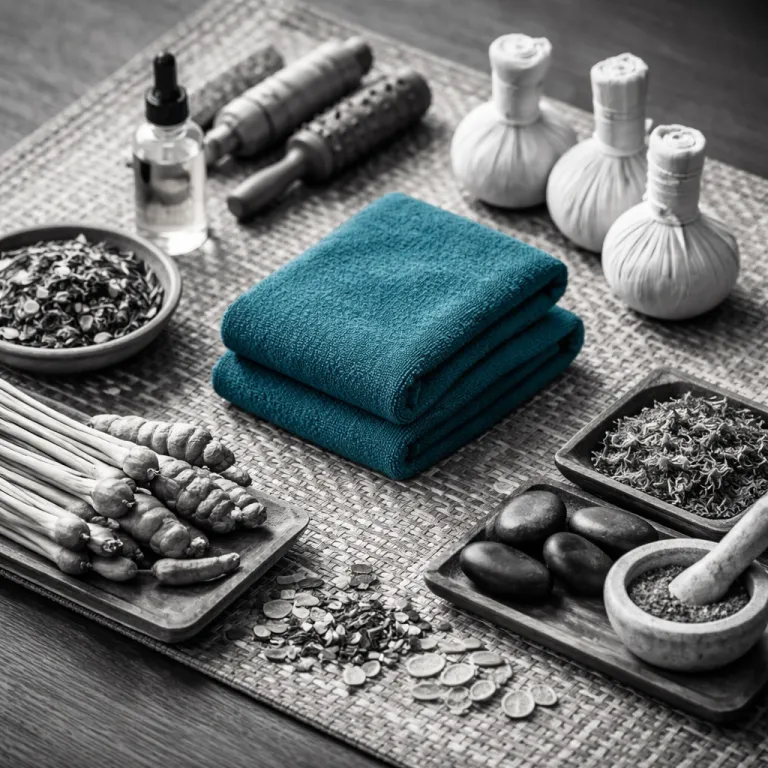
Why Malaysia’s spa wellness traditions feel different the moment you arrive
Malaysia is one of the few places where a spa menu reads like a map of the country’s layered soul. In a single luxury spa you might move from a Malay urutan massage to a Chinese-inspired herbal treatment and then to an Indian-influenced oil ritual, each one shaping a different relationship with your body and mind. This multicultural spa and wellness ecosystem gives travellers a rare chance to curate an experience that feels both deeply local and quietly global.
Across the land, from Langkawi to Kuala Lumpur, wellbeing is not a borrowed trend but an inherited form of daily life. Traditional Malay healers have long used urutan techniques, herbal compresses and natural ingredients to restore energy flow, protect skin and support health in village settings, and modern spa teams now translate those treatments into polished hotel experiences. When you book a class-leading spa in a premium Malaysian property, you are not just reserving a massage slot, you are stepping into a living archive of Malaysian bodywork and healing customs shaped by tourism culture, family practice and regional trade routes.
The Association of Malaysian Spas (AMSPA), an industry body representing spa operators nationwide, has in past reports cited figures in the low hundreds for registered members, a number that signals both maturity and ambition in the sector. In its 2019 industry overview, AMSPA noted that more than 150 member spas were operating across Malaysia, with membership gradually expanding as new wellness venues opened in resort and city locations. Many of these wellness venues partner with local healers to refine treatments that respect traditional healing knowledge while meeting international expectations for hygiene and comfort, which will help reassure guests used to European or Japanese standards. As wellness tourism revenue in Malaysia grows into the hundreds of millions of dollars according to Global Wellness Institute estimates and Tourism Malaysia data, the national tourism agenda increasingly treats spa and wellness as a strategic pillar, not a side activity, and that policy focus will shape where the next generation of luxury spa resorts are built on prime real estate.
Inside urutan Malaysia, Thai massage and other touch traditions
Urutan Malaysia is the country’s signature massage form, and it feels very different from the more famous Thai massage or Balinese styles. Where Thai massage often uses strong stretches and joint mobilisations, traditional urutan focuses on long, flowing strokes that follow the body’s meridians to rebalance energy and ease muscular knots without leaving you sore. As defined by Malaysian spa educators, “Urutan Malaysia is a massage combining Malay, Chinese, Indian, and indigenous techniques,” a synthesis that reflects the country’s multicultural heritage.
In a high-end wellness spa in Kuala Lumpur or Penang, a typical urutan treatment will start with a warm foot soak scented with lemongrass or pandan, a small but telling gesture that signals how Malaysian therapists care for circulation and grounding before working on deeper health concerns. The therapist will then apply Malay-inspired herbal oils along the spine, shoulders and legs, using palms and forearms to coax tension away rather than attack it, which many first-time visitors find highly recommended for a shared spa experience. Some luxury spa menus pair Urutan Malaysia with a focused head massage or a gentler Thai massage session, allowing you to compare how each tradition treats the same body in a different way.
For travellers planning a romantic escape, it is worth choosing hotels where the spa offers dedicated urutan suites with double treatment beds and private steam facilities. Properties featured in our guide to the best spa hotels in Malaysia for luxury and relaxation often combine Urutan Malaysia, Thai massage and aromatherapy into half-day spa journeys that feel unhurried and quietly indulgent. When you read the spa offers carefully, look for therapists trained by AMSPA member centres or by reputable academies such as the Malaysian Association of Wellness & Spa training programmes in Kuala Lumpur, because that training lineage will help guarantee consistent technique and a more meaningful spa experience rooted in authentic Malaysian wellness traditions.
From Chinese herbs to Ayurveda and Orang Asli wisdom in luxury hotels
What sets Malaysia apart is how confidently its luxury spa scene weaves Chinese, Indian and indigenous practices into Malay foundations. In Kuala Lumpur and other urban centres, you will find wellness programmes where Chinese physicians consult on body constitution before therapists apply poultices of ginseng, ginger or mugwort to stimulate energy and support long-term health. These treatments often appear in premium day spa menus as targeted back rituals or leg therapies, ideal after long-haul flights or shopping-heavy afternoons in Kuala Lumpur, Malaysia.
Ayurvedic treatment traditions from India have also taken elegant root in Malaysian resorts, especially those with quiet real estate near the forest or sea. Here, guests can book synchronised oil massage sessions, shirodhara head massage rituals where warm oil streams across the forehead, and personalised diet consultations that extend wellness beyond the spa into breakfast and dinner choices. When these Ayurveda programmes are framed within Malaysia’s broader spa culture, they feel less like imported wellness and more like another thread in a shared regional tapestry of healing power and mindful living.
A newer, more intimate frontier lies with Orang Asli–inspired treatments that draw on forest herbs and river stones from the surrounding land. Some eco-focused luxury spa retreats now collaborate with indigenous communities to design body scrubs, skin masks and energy-balancing rituals that respect both cultural boundaries and environmental limits, and these partnerships are carefully structured to support local health and livelihoods. For travellers who value depth over spectacle, choosing such a spa experience is a way to engage with tourism culture that honours the Ministry of Tourism, Arts and Culture’s emphasis on cultural preservation while still feeling quietly indulgent and deeply restorative.
Where to stay: from rainforest sanctuaries to urban wellness spa towers
Malaysia’s most compelling spa-focused stays tend to sit where nature does half the work before a therapist even lays hands on your body. The Datai Langkawi, wrapped in ancient rainforest and facing a calm bay, uses that land as a silent co-therapist, with treatment villas perched above streams so that every massage, foot soak or skin ritual unfolds to a soundtrack of water and cicadas. Guests who book here often structure entire days around slow spa experience arcs, moving from morning Urutan Malaysia sessions to afternoon energy baths in the sea and twilight meditation on the deck.
On the mainland, The Banjaran Hot Springs Retreat near Ipoh turns geothermal activity into the central character of its wellness narrative. Villas are carved into limestone cliffs, and the luxury spa complex channels mineral-rich waters into private pools and cave-based treatments that feel almost otherworldly, yet the protocols remain grounded in Malay, Chinese and Indian healing treatments that support circulation, joint health and deep sleep. Over on the coast, Gaya Island Resort near Kota Kinabalu blends marine conservation with spa rituals, using seaweed, rice and local herbs in body scrubs and wraps that echo Malaysian wellness heritage while celebrating Sabah’s distinct identity.
Urban travellers who prefer a shorter stay will find that Kuala Lumpur now hosts a new generation of class spa towers where entire floors are dedicated to wellness, hydrotherapy and quiet relaxation lounges. Many of these city hotels feature day spa packages that combine a ninety-minute massage, a targeted head massage and access to pools and heat facilities, which will help you reset between flights or meetings without committing to a full resort holiday. For a curated overview of which real estate locations and properties best balance spa facilities with design, dining and access to the city, explore our refined guide to exclusive hotel experiences in Malaysia on MyMalaysiaStay, where each listing is evaluated with the same rigour we apply to stand-alone wellness retreats.
Planning your couple’s wellness itinerary around Malaysia’s evolving spa landscape
Thoughtful planning turns a good spa break into a transformative shared experience, especially in a country where traditional Malaysian wellness practices are this rich. Start by deciding how you want your energy to feel at the end of the trip, then work backwards to balance strong massage sessions with gentler treatments that focus on skin, sleep and emotional health. A three-night stay might centre on one signature Urutan Malaysia ritual, one herbal treatment and one slow day spa circuit with pools, saunas and quiet reading time.
Respecting local customs will help you move more gracefully through both urban and rural wellness spaces. In any state, arrive ten to fifteen minutes early, dress modestly when moving between facilities and let therapists know clearly how much pressure your body can handle during a massage, because communication is considered part of the treatment rather than an interruption. Travellers visiting kampung-based homestays or smaller wellness venues should also remember that some Malay therapists may separate male and female spaces, and asking about this at booking stage will help avoid awkwardness later.
Behind the scenes, organisations such as the Association of Malaysian Spas and training hubs in Kuala Lumpur work with local healers to standardise education, refine spa offers and protect the integrity of traditional treatments. Their efforts, combined with the Ministry of Tourism, Arts and Culture’s focus on wellness and the Global Wellness Institute’s recognition of Asia as a leading healing destination, suggest that Malaysia’s spa and wellness traditions will only deepen in sophistication and visibility. Industry practitioners often recommend reserving treatments at least one to two weeks ahead for peak-season resort stays, while city spas typically advise a lead time of three to five days. If you are planning a proposal trip, an anniversary or simply a much-needed reset, contact your chosen hotel’s spa team by email, outline your preferences and any health considerations, and let their expertise help you shape a spa experience that feels both intensely personal and unmistakably Malaysian.
FAQ about Malaysia spa wellness traditions for luxury hotel stays
Are Malaysian spa treatments suitable for all travelers, including first timers?
Yes. Malaysian spa treatments cater to diverse needs and preferences. Most luxury spa teams in the country are used to international guests, so they adjust pressure, treatment length and product choices to match your comfort level and health profile.
Do Malaysian spas really use natural ingredients in their treatments?
Malaysian spas, especially those in high-end hotels, frequently use herbs and natural ingredients. This often means locally sourced oils, scrubs and wraps built around lemongrass, ginger, rice, pandan and forest botanicals that align with traditional Malay and indigenous healing practices.
What is special about Urutan Malaysia compared with other Southeast Asian massages?
Urutan Malaysia combines Malay, Chinese, Indian and indigenous techniques into one coherent massage sequence, rather than focusing on a single lineage. The strokes are generally smoother and more flowing than Thai massage, with an emphasis on energy lines, joint mobility and gentle stretching that many couples find easier to relax into together.
How far in advance should I book spa treatments at luxury hotels in Malaysia?
For popular resorts such as The Datai Langkawi or The Banjaran Hot Springs, booking spa treatments at least one to two weeks ahead is wise, especially for couple’s suites. In Kuala Lumpur city hotels, a few days’ notice is usually enough for a day spa package, but weekend evenings and public holidays still fill quickly.
Is it appropriate to tip therapists in Malaysian hotel spas?
Many luxury spa venues in Malaysia include a service charge in the bill, so tipping is not mandatory. If you feel the therapist’s skill and care significantly enhanced your spa experience, a small additional cash tip handed directly to them is appreciated but always discretionary.
References
- Global Wellness Institute – reports on wellness tourism and regional trends in Asia, including estimates of wellness tourism revenue in Malaysia.
- Association of Malaysian Spas (AMSPA) – industry body for Malaysian spa operators, membership statistics and training standards.
- Tourism Malaysia and Ministry of Tourism, Arts and Culture – policy focus on wellness, spa development, cultural preservation and national tourism performance.