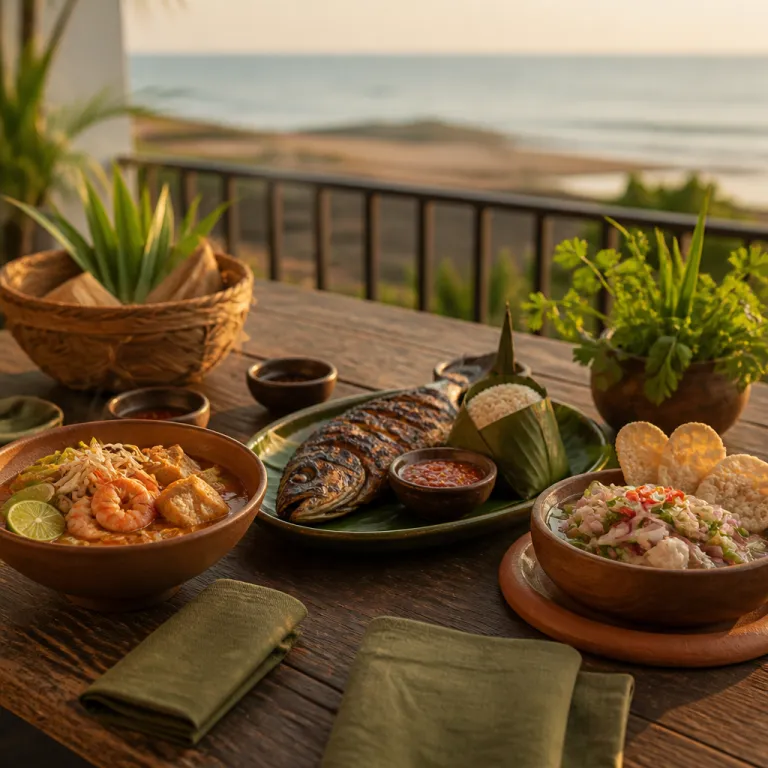
Why malaysia regional cuisine hotel dining now defines luxury
Luxury travellers choosing malaysia today are no longer satisfied with anonymous buffets. They want malaysia regional cuisine hotel dining that reflects where they are standing, whether on a Penang shophouse street or a Sarawak riverbank, and the best properties now treat the plate as seriously as the pool. For anyone booking a premium stay, the question is simple yet revealing ; does the hotel’s kitchen speak fluent malaysian, or just international hotel English.
Across peninsular malaysia and Borneo, leading hotels are reframing malaysian cuisine as the main event rather than a themed night. Instead of generic “Asian corner” counters, you now see live stations where nasi lemak is assembled to order, rice steamed in pandan leaves, and ikan bakar brushed with soy sauce while you watch. This shift in malaysia food culture inside hotels mirrors what is happening outside their gates, where hawker stalls and night markets still set the standard for flavour and value.
Two major culinary series underline how seriously the industry now takes malaysia regional cuisine hotel dining. Marriott Bonvoy’s The Malaysian Kitchen and the Desaru Coast Gourmet Series both use collaborations with local culinary experts, traditional recipes and regional suppliers to highlight malay cuisine, indian specialities and indigenous dishes from Sarawak. Their shared aim is clear ; promote regional dishes, support local food culture and enhance guest dining experiences in a way that feels authentic rather than staged.
Penang and the west coast: heritage plates in polished dining rooms
On the Straits-facing side of peninsular malaysia, hotel kitchens in George Town and along the west coast lean into history. Here malaysia regional cuisine hotel dining often means Peranakan porcelain, tiled verandas and menus that read like a greatest hits list of malaysian cuisine, from assam laksa to charcoal grilled ikan bakar. The best rooms sell out not just for sea views, but for the promise of a breakfast dish that tastes like someone’s grandmother still runs the pass.
In Penang’s heritage properties, rice is rarely an afterthought ; it arrives as fragrant nasi lemak wrapped in banana leaf, or as nasi campur where small malay and indian dishes are served around a central mound. You might start the day with roti canai flipped to order, then move to mee or kuay teow fried noodles cooked over high heat until the noodles catch and smoke. Fruit appears not as a token garnish but as ripe tropical slices, sometimes macerated in lime and chilli, sometimes deep fried in light batter for a playful dessert dish.
Even when you step away from formal dining rooms, the hotel’s food philosophy follows you into town. Concierges now send guests to specific kopitiam counters for nasi kandar, or to a stall where ikan bilis and sambal are legendary among locals, then fold those flavours back into their own menus. If you are planning a Penang–Melaka itinerary, pair these hotel experiences with carefully chosen cafés and heritage restaurants ; guides such as this elegant look at the best cafés in Melaka for refined travellers help you keep standards high between hotel meals.
Kuala lumpur and the urban centre: modern luxury, local palate
In kuala lumpur, malaysia regional cuisine hotel dining plays out in glass walled restaurants perched above the skyline. Here the language is contemporary plating and open kitchens, yet the grammar remains unmistakably malaysian, from coconut milk enriched sauces to noodles tossed with dark soy sauce and chilli. The city’s most serious hotel dining rooms now compete directly with independent restaurants listed in guides such as the Michelin Guide for Kuala Lumpur and Penang.
What you see on the buffet line at breakfast reveals everything about intent. A property that places nasi lemak beside avocado toast, roti canai beside eggs Benedict and mee goreng fried noodles beside granola is signalling that malaysia food is not a side act but the star. Look for banana leaf style presentations where rice, chicken or fish, vegetables and pickles are served together, or for live stations where chefs fry kuay teow to order and finish it with crunchy ikan bilis for texture.
Urban hotels are also where collaborations with hawker legends and market vendors feel most natural. Pop up counters bring assam laksa, nasi kandar and grilled ikan bakar into marble floored lobbies, while bar teams riff on pandan leaves, coconut and tropical fruit in cocktails that still respect the original flavours. For a deeper sense of how a single plate can define a stay, read this analysis of how Malaysian hotels build reputations through food ; it shows why one perfectly judged dish can sell a suite faster than any infinity pool.
East coast and borneo: kampung memories and indigenous ingredients
Move to the quieter east coast and across to Sarawak, and malaysia regional cuisine hotel dining takes on a different rhythm. Here menus lean into kampung memories, riverbank grills and indigenous produce that rarely appears in kuala lumpur dining rooms. The best resorts treat local markets as their larder, sending chefs out at dawn to choose fish, fruit and leaves that will be served just hours later.
On these coasts, rice often arrives as part of rustic nasi campur spreads, with malay cuisine classics like coconut milk rich curries, grilled chicken and deep fried river fish arranged around it. You might find noodles in the form of mee soup scented with pandan leaves, or fried noodles tossed with soy sauce and local greens, while simple roti is served hot from the pan with a thin curry sauce. In Sarawak, hotel kitchens increasingly highlight regional dishes that use jungle vegetables, fermented products and river fish, bringing a new dimension to what many guests think of as standard malaysian cuisine.
Large integrated resorts such as those at Desaru Coast now use curated events to frame these flavours for international guests. Their Gourmet Series brings malay and indian chefs together with indigenous cooks from Sarawak to create tasting menus where nasi lemak, nasi kandar and grilled ikan bakar share space with lesser known regional dishes. This is where the line between hotel restaurant and culinary festival blurs, and where malaysia food culture feels most alive for travellers willing to plan their bookings around the table.
From imported chefs to local talent: how hotels curate malaysia on a plate
The most meaningful shift in malaysia regional cuisine hotel dining is happening behind the pass. Where luxury properties once flew in European executive chefs to standardise menus, they now elevate malaysian cooks who grew up eating nasi lemak for breakfast and mee for supper. These chefs understand instinctively how rice should smell, how coconut milk should feel on the palate and how far to push chilli before it overwhelms the dish.
Series such as The Malaysian Kitchen, hosted across multiple Marriott Bonvoy hotels, formalise this change. They pair local culinary experts with modern kitchen equipment and traditional cooking methods to showcase malay cuisine, indian dishes and regional specialities from peninsular malaysia and Sarawak. As the organisers explain in their own words, “What is The Malaysian Kitchen?” and “When does the Desaru Coast Gourmet Series occur?” are not just logistical questions ; they are invitations to reserve a table at participating hotels during event periods and taste how heritage recipes can be fused with contemporary techniques.
For travellers, this evolution means that choosing a hotel is now as much about the chef’s résumé as the room category. When researching properties on platforms such as mymalaysiastay.com, pay attention to whether the restaurant team talks about nasi kandar, assam laksa, roti canai or ikan bakar with the same pride they reserve for imported steaks. Articles such as this deep dive into how Malaysian resorts rethink the all inclusive model show how food led strategies are reshaping what luxury means in malaysia, from breakfast dish lineups to late night noodles by the pool.
How to read a hotel menu in malaysia like an insider
Once you start paying attention, every menu in malaysia regional cuisine hotel dining becomes a map. The presence of nasi lemak wrapped in banana leaf, or a serious nasi campur counter at breakfast, tells you the kitchen respects everyday malaysia food rather than hiding it behind international labels. A section devoted to noodles, from mee soup to kuay teow fried noodles, signals confidence with wok heat and local technique.
Look closely at how staples are treated. Rice should arrive fluffy and aromatic, sometimes steamed with pandan leaves or coconut milk, never clumped or tired, while chicken and fish should be grilled, deep fried or simmered in sauce only at the last moment so the textures stay sharp. When you see ikan bakar brushed with soy sauce, roti canai flipped to order, or assam laksa served with generous herbs and fruit garnish, you are in the right place.
Night markets and hawker centres remain essential extensions of any hotel stay. Many concierges now build self guided food walks that move from hotel bar snacks to street side malay and indian dishes, then back to a dessert course in the property’s own lounge. Use those experiences as a benchmark ; if the flavours outside feel more vivid than what is served inside, the hotel has not yet caught up with the standard that modern malaysian cuisine sets for itself.
FAQ
How can I join hotel culinary events such as The Malaysian Kitchen or Desaru Coast Gourmet Series ?
These events are hosted across selected hotels in malaysia, often in partnership with local chefs. To participate, check event dates in advance on the organiser’s channels, then reserve a table directly with the participating property during the relevant period. Booking early is wise, as malaysia regional cuisine hotel dining events with guest chefs tend to sell out quickly.
What should I look for in a hotel breakfast to judge its malaysian food credentials ?
An excellent breakfast dish lineup in malaysia will feature nasi lemak with proper sambal and ikan bilis, freshly made roti canai, and at least one live station for noodles such as mee or kuay teow. Rice should be fragrant, often cooked with coconut milk or pandan leaves, and side dishes should include local fruit rather than only imported options. When these items are treated with as much care as Western classics, you are seeing genuine commitment to malaysian cuisine.
Are luxury hotel restaurants in kuala lumpur good places to try regional dishes ?
High end properties in kuala lumpur now compete seriously with independent restaurants for malaysia regional cuisine hotel dining. Many offer dedicated sections for malay cuisine, indian dishes and specialities from peninsular malaysia and Borneo, often refined but still recognisably local. They are a strong starting point if you want controlled environments before exploring hawker stalls and night markets.
How do east coast and Sarawak hotel menus differ from those on the west coast ?
On the east coast and in Sarawak, hotel kitchens lean more heavily on kampung style cooking and indigenous ingredients. You will see more grilled fish, deep fried river catches, jungle vegetables and rustic nasi campur spreads, compared with the Peranakan and street food influenced dishes common in Penang and kuala lumpur. This makes staying in multiple regions of malaysia especially rewarding for travellers focused on food.
Do I need to leave my hotel to experience authentic malaysia food ?
Many top tier hotels now offer malaysia regional cuisine hotel dining that rivals what you find outside, especially during special series with local chefs. However, night markets, kopitiam cafés and hawker centres still provide essential context for malay and indian flavours, from nasi kandar to assam laksa. The most satisfying trips combine both, using the hotel as a comfortable base and benchmark while you explore the wider food landscape.