Why wildlife belongs at the heart of your travel Malaysia plans
Families who travel Malaysia for luxury often focus on pools and views. Yet this country holds some of Southeast Asia’s richest wildlife, from orangutans in Sabah to sea turtles off the east coast. When you align your Malaysia trip with nature, your children gain stories that outlast any infinity pool.
Malaysia sits at the crossroads of Peninsular Malaysia and Borneo, which means you can pair a rainforest national park with a refined city stay in Kuala Lumpur or George Town. That mix lets you move from street food suppers in a historic town to dawn wildlife cruises in a single Malaysia itinerary. For premium families from the United States, this balance of comfort and conservation makes the country one of the best choices in Southeast Asia.
Planning a Malaysia travel journey around wildlife does not mean sacrificing comfort or time together. Many lodges in Sabah and around Kota Kinabalu now offer family suites, guided activities and flexible meal times that respect jet lag and young attention spans. With the right travel guide and a realistic number of days, Malaysia becomes a gentle classroom where every beach, island and forest trail adds another layer of understanding.
Sepilok Orangutan Rehabilitation Centre: the emotional core of a Sabah family trip
For children who love animals, Sepilok Orangutan Rehabilitation Centre in Sabah is often the moment their travel Malaysia adventure becomes personal. The centre rehabilitates orphaned orangutans from across the country and gives families a close but controlled view of these endangered primates. According to Sabah Tourism Board visitor statistics for the Sandakan area, Sepilok receives roughly 90,000–100,000 visitors each year, and it remains one of Malaysia’s best managed wildlife experiences for older kids.
Morning feeding sessions work well for families because the time aligns with natural animal behaviour and cooler temperatures. Rangers lead visitors along shaded boardwalks through lowland rainforest, and binoculars help children spot macaques and hornbills beyond the feeding platforms. Guided tours and educational workshops explain why this part of Borneo still shelters such biodiversity and how local communities support conservation.
Older children and teenagers will engage deeply with the centre’s story if you prepare them before the trip. Explain that the goal is rehabilitation, not entertainment, and that quiet observation is more respectful than constant photography. Pair Sepilok with a night or two in a nearby premium lodge, such as a riverfront eco retreat or a boutique property in Sandakan town, then continue your Malaysia itinerary towards the Kinabatangan River for a richer Sabah wildlife arc.
Families who enjoy heritage towns and refined stays can later contrast this Borneo experience with a few days in Ipoh or George Town. For Ipoh, a detailed look at refined stays and heritage charm appears in this guide to discerning travel in Ipoh. That shift from rainforest to restored shophouse hotels shows children how one country can hold very different stories within a single trip.
Kinabatangan River and Bornean Sun Bear Conservation Centre: lodge hopping with meaning
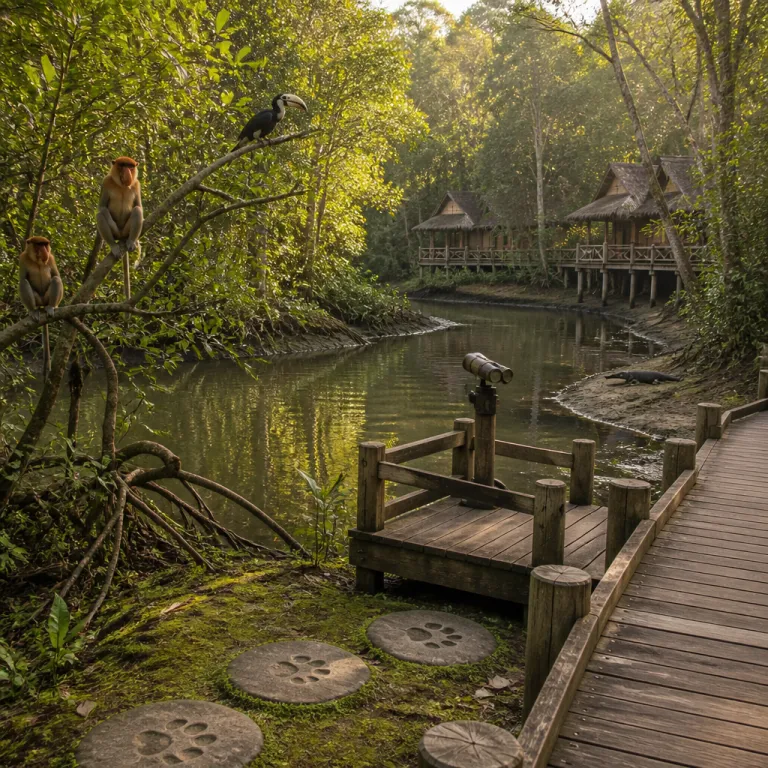
From Sepilok, most families who travel Malaysia for wildlife continue to the Kinabatangan River, one of Sabah’s best corridors for accessible animal encounters. Here, small lodges line the riverbanks and offer twice daily cruises where proboscis monkeys, hornbills and sometimes pygmy elephants appear along the muddy street of water. The experience feels adventurous for children yet remains comfortable when you choose the right property.
Many lodges operate on a two or three days Malaysia package that includes boat transfers, guided cruises and simple but satisfying food. As a planning guide, mid range family packages often start around RM800–RM1,200 per person for two nights, with higher end river lodges charging more for larger rooms and private guides. Morning departures focus on birdlife, while late afternoon trips often bring cooler air and more visible mammals along the forest edge. Families should pack light layers, insect repellent and a sense of flexibility because wildlife sightings will always follow nature’s timing rather than a fixed Malaysia itinerary.
Back near Sepilok, the Bornean Sun Bear Conservation Centre offers another powerful stop for children who care about animals. Elevated walkways let you watch the world’s smallest bears forage and climb, while staff explain how habitat loss across Peninsular Malaysia and Borneo affects these shy creatures. This model of meaningful wildlife encounters shows kids that conservation is a long term commitment, not just a single holiday activity.
Parents who want to deepen the rainforest side of their Malaysia travel plans can look towards Taman Negara or Danum Valley. A detailed perspective on luxury inside Malaysia’s ancient rainforests is available in this feature on high end stays in Taman Negara and Danum Valley. Combining these national park experiences with Kinabatangan lodge hopping creates a Malaysia trip that feels both indulgent and educational.
Selingan Island turtles and marine life: when beach time becomes biology class
Families often picture a travel Malaysia holiday as a sequence of beach days and island sunsets. On Selingan Island near Sandakan, those same sands turn into a living classroom when green turtles come ashore to nest. The experience can be profound for children, but it demands careful planning and respect for strict conservation rules.
Only a limited number of visitors may stay overnight on the island, which keeps the beach environment calm and protects the turtles. Most operators recommend booking at least three to six months ahead for peak school holiday periods, and overnight packages typically include boat transfers, simple accommodation and guiding. After an early evening briefing, rangers wait until a turtle begins nesting before quietly guiding small groups to watch from a controlled distance. Children learn that the best time to witness this spectacle is not about human schedules but about the rhythms of the animals and the tides.
Ethical turtle watching means accepting that you will not touch hatchlings, use flash photography or wander the beach without guides. Parents should explain these rules in advance so younger kids understand that protecting wildlife matters more than getting the closest picture. When handled this way, a Selingan Island stay becomes a highlight of any Malaysia travel guide for families who value conservation.
Beyond Selingan, Malaysia’s islands on both the east coast and west coast offer marine experiences that suit different ages. The Perhentian Islands and nearby coral reefs attract snorkellers, while more developed islands such as Langkawi pair beach resorts with easy logistics for families from the United States. For a deeper look at how luxury rainforest stays complement coastal time, the earlier feature on Taman Negara and Danum Valley helps you balance inland national park adventures with island relaxation.
Balancing Kuala Lumpur, Penang and Cameron Highlands with Sabah’s wild side
A thoughtful travel Malaysia plan for families rarely sends you straight from the United States into deep jungle. Most itineraries begin with a few days in Kuala Lumpur, where jet lag softens amid skyline views, rooftop pools and excellent street food. Here, children can sample local dishes on every street and visit Batu Caves for a first glimpse of macaques and limestone cliffs.
From the capital, many premium families head north through Peninsular Malaysia to Penang and the Cameron Highlands. In George Town, colourful street art turns every walk into a scavenger hunt, while refined hotels in restored shophouses keep parents comfortable. Food obsessed travellers will find that Penang’s street food scene rivals any in Southeast Asia, making this town a delicious prelude to the simpler meals of Sabah’s river lodges.
Cameron Highlands offers a cooler pause between city and rainforest, with tea estates, short trails and gentle temperatures that suit younger children. A two or three days Malaysia stop here helps families adjust before flying on to Kota Kinabalu or Sandakan for the Sabah segment. Direct flights from Kuala Lumpur to Sandakan usually take around three hours including boarding time, while transfers from Sandakan airport to Sepilok or the jetty for Selingan Island often add another 30 to 60 minutes by road. Those planning peak season stays in Kuala Lumpur or Penang should consult this guide to hotels that handle peak months with grace to secure the best located properties.
Throughout this arc, a clear Malaysia itinerary keeps logistics smooth and energy levels balanced. Aim to cluster wildlife experiences in Sabah and cultural or food focused days in Peninsular Malaysia, rather than bouncing back and forth across the country. This structure lets children see how one Malaysia trip can hold skyscrapers, tea fields, street art and orangutans without ever feeling rushed.
Age specific planning, safety and how luxury hotels support wildlife curious kids
Designing a wildlife focused travel Malaysia journey for a family means thinking carefully about ages and attention spans. Under tens usually thrive with shorter activities, clear routines and plenty of pool time between excursions. Teenagers often handle longer days in the field and engage more deeply with conservation stories and complex ecosystems.
For younger children, base yourselves in comfortable hotels or lodges with easy access to activities rather than constant one night moves. In Kuala Lumpur, Penang or Kota Kinabalu, choose properties that sit close to public transport or main street hubs so you can dip into local food scenes without long transfers. In Sabah’s river areas, look for lodges that provide life jackets sized for kids, flexible meal times and simple educational talks before cruises.
Safety around wildlife in this country follows common sense rules that guides will repeat often. Children should never feed animals, wander off trails or lean over boat edges, even when the water seems calm. Parents can reinforce that wild encounters are a privilege and that respecting distance keeps both people and animals safe.
Many Malaysian operators now integrate technology into wildlife education, from virtual reality experiences in city based attractions to field guides and binoculars on site. These tools help bridge the gap between urban hotel stays and remote national park visits, especially for kids who grew up far from nature in the United States. As one official answer for families puts it, “Yes, most are designed for families with children.”
Key figures for wildlife focused family travel in Malaysia
- Malaysia hosts around 600 bird species according to Malaysia Travel Guides and BirdLife International summaries, which means every national park visit offers rich birdwatching opportunities for children and adults.
- Sepilok Orangutan Rehabilitation Centre welcomes about 100,000 visitors annually, a scale that demonstrates strong global interest while still allowing for controlled, respectful viewing.
- Guided wildlife experiences in Malaysia typically operate year round, but May to September during the drier southwest monsoon is often considered the best time for river cruises and rainforest walks, based on Malaysia Meteorological Department rainfall patterns.
- Family oriented wildlife programs have expanded in recent years, reflecting a wider rise in eco tourism and a growing demand for educational activities among international visitors.
- Many operators now combine traditional tools such as field guides and binoculars with virtual reality elements, creating immersive learning that resonates with digitally native children.
FAQ about wildlife encounters in Malaysia with kids
What is the best time to visit Malaysia for wildlife encounters with children ?
The driest months from May to September usually offer the best time for river cruises and rainforest walks with kids. Trails are less muddy, boat conditions improve and wildlife often gathers at remaining water sources. This window works well for combining Sabah’s Kinabatangan River with city and beach segments in a broader Malaysia trip.
Are these wildlife experiences suitable for very young children ?
Many wildlife activities in this country are designed with families in mind, especially around Sepilok and the Kinabatangan River. Shorter cruises, clear safety briefings and flexible schedules help under tens enjoy the experience without exhaustion. Parents should still assess each child’s comfort with boats, heat and early starts before finalising their Malaysia itinerary.
Do we need to book wildlife tours and lodges in advance ?
Advance booking is strongly recommended for key sites such as Selingan Island, Sepilok and popular river lodges in Sabah. Capacity is limited, particularly during school holidays for both Malaysia and the United States, and last minute options can be scarce. Securing your stays early also lets you align luxury hotel nights in Kuala Lumpur or Penang with internal flights and transfers.
What should families pack for wildlife days in Sabah and other regions ?
Lightweight clothing, insect repellent, hats and reusable water bottles are essential for any travel Malaysia wildlife segment. Binoculars and simple field guides turn boat rides into active spotting games for children, while compact rain jackets handle sudden showers. Many lodges provide basic safety gear, but bringing familiar items for kids often makes them feel more secure.
How can we ensure our wildlife encounters remain ethical and respectful ?
Choose operators that prioritise conservation, limit group sizes and work closely with local communities around each national park or marine area. Follow all guidance on distance, noise and photography, especially during sensitive moments such as turtle nesting or orangutan feeding. Teaching children these principles before the trip helps them understand that responsible behaviour protects the very animals they have travelled so far to see.