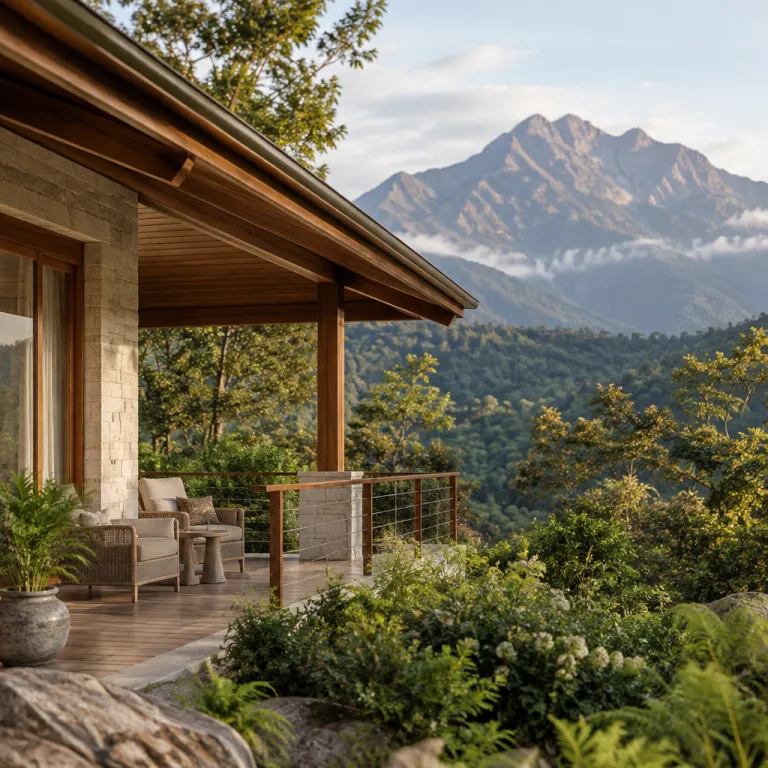
Malaysia Kinabalu National Park as a luxury hillside sanctuary
Malaysia’s Kinabalu National Park rises from lowland rainforest to sheer granite walls, creating a rare setting for refined hillside retreats. This protected landscape in Sabah combines a UNESCO World Heritage Site with carefully managed conservation, so every premium hotel night feels woven into a larger preservation story. Around the park, luxury properties use altitude, cool forest air and sweeping views to frame intimate, high-comfort sanctuaries.
The park covers about 75,370 hectares, with Mount Kinabalu reaching 4,095 metres and dominating the horizon from Kota Kinabalu to the Crocker Range. Sabah Parks, through its dedicated management unit, regulates access, research and visitor flows so that high-end travellers can enjoy privacy without harming fragile habitats. As Sabah Parks notes in its management plan, the authority “oversees protection, research and visits”, and this balance underpins every serious luxury project around Kinabalu National Park.
Staying near Kinabalu Park means waking to cool air, cloud seas and a mountain silhouette that changes colour through the day. Many hillside sanctuaries sit along the main road between Kota Kinabalu and Ranau, where the forest drops away to reveal a wide view of the massif and the lower bukit ridges. From these elevated terraces, guests watch the first climbers’ headlamps move along the Mount Kinabalu trail while enjoying slow breakfasts and tailored service.
Why luxury travellers choose hillside units near the park
High-end guests often seek a private villa or suite with floor-to-ceiling glass facing Mount Kinabalu, rather than a busy resort by the coast. Around Kinabalu National Park, developers have created low-density properties where each unit feels like a standalone pavilion suspended above the forest. This approach respects conservation goals while giving guests a sense of seclusion that standard national park lodges rarely match.
Many hillside hotels design their climb packages in partnership with licensed Mount Kinabalu operators, so logistics never intrude on your stay. Your reservation might include a private transfer to the park headquarters, a pre-climb briefing in a quiet lounge and a late check-out timed to your summit schedule. These tailored climb packages turn the demanding Mount Kinabalu ascent into a curated experience, with spa time and hot springs access woven around the physical effort.
For travellers who prefer to stay below the high peak zone, hillside sanctuaries offer guided view-trail walks and forest-bathing sessions. Short trails on the Kinabalu side, often under 3 kilometres, allow guests to feel the forest without committing to the full mountain route or paying the summit fee. This balance between soft adventure and comfort is one reason Malaysia Kinabalu National Park has become a reference point for luxury nature travel in Malaysia.
Choosing the right hillside sanctuary around Mount Kinabalu
Selecting a luxury hotel near Mount Kinabalu starts with clarifying how close you want to be to the park entrance. Properties within a short drive of the park headquarters suit travellers focused on the Kinabalu climb, early starts and efficient logistics. Stays slightly further along the Crocker Range often offer wider views, quieter forest surroundings and more expansive unit layouts.
Many premium hotels around Kinabalu National Park now publish detailed climb packages that specify duration, included meals and guiding standards. When comparing these packages, look for transparent information on the park fee, Sabah Parks regulations and the maximum number of climbers per guide. A serious operator will align with conservation-centre guidelines and clearly explain how your payment supports ongoing protection in this national heritage site.
Some hillside sanctuaries specialise in pre- and post-climb recovery, with heated pools, saunas and massage rooms facing the mountain. Others focus on slow travel, offering curated forest walks, access to a small botanical garden and private dining on terraces that frame the Kinabalu skyline. If you want a deeper focus on elevated stays, consult this guide to luxury hillside hotels around Kinabalu for concrete examples and current property line-ups.
Evaluating units, views and trails for different travel styles
Couples often prioritise a single large unit with an uninterrupted view of Mount Kinabalu, even if that means a slightly longer transfer to Kota Kinabalu. Families may prefer multi-room units closer to the park, where shorter view-trail options and easier forest paths start near the lobby. In both cases, ask how far your room sits from the main road and whether any new bukit developments might affect the view.
Active travellers planning a full Mount Kinabalu climb should confirm the exact duration of their itinerary and the altitude of their overnight stop. Some climb packages include a stay at a lower-peak lodge, while others go higher on the mountain and require better acclimatisation. Clarifying these details helps you choose a hillside sanctuary with the right spa facilities, meal times and transfer schedules for your specific Mount Kinabalu plan.
Guests who do not intend to climb can still enjoy trails on the Kinabalu side that wind through lower forest zones rich in orchids and ferns. Many hotels arrange guided walks that highlight the park’s role in regional conservation and explain how Sabah Parks manages research plots along the trail network. This kind of programming turns a simple stroll into an engaging introduction to Malaysia Kinabalu National Park without the strain of a summit attempt.
Integrating hot springs and wellness into a Kinabalu stay
One of the most appealing aspects of staying near Kinabalu National Park is the proximity to natural hot springs. The Poring Hot Springs area, often simply called Poring by locals, lies on the lower slopes away from the main park headquarters. Here, warm mineral waters emerge from the forest floor, creating a natural spa setting that pairs beautifully with luxury hillside hotels.
Many premium properties design their wellness programmes around day trips to Poring Hot Springs and the nearby canopy walk. Guests might start with a gentle forest trail, continue to the Poring hot pools and finish with a massage back at their hillside unit. This sequence works especially well after a demanding Mount Kinabalu climb, when muscles need both heat and rest to recover from the steep mountain descent.
Travellers interested in wellness-focused itineraries across Malaysia often combine a stay near Malaysia Kinabalu National Park with another thermal retreat. For example, this detailed review of a serene escape at The Banjaran Hotsprings Retreat in Ipoh shows how hot springs can anchor a multi-stop journey. Linking Poring Hot Springs in Sabah with Ipoh’s geothermal pools in Peninsular Malaysia creates a coherent theme of water, forest and mountain across different national regions.
Wellness facilities, botanical gardens and forest immersion
Several hillside sanctuaries near Kinabalu National Park incorporate elements of a botanical garden into their grounds, planting native orchids and montane shrubs. These curated gardens echo the extraordinary plant diversity inside the national park, where about 5,000 to 6,000 vascular plant species and over 1,000 orchid species have been recorded by researchers cited by UNESCO. Walking through such a garden before or after a spa session helps guests connect their wellness routine to the wider conservation story.
Wellness-oriented hotels often offer yoga decks facing Mount Kinabalu, meditation corners in the forest and hydrotherapy pools that mimic hot springs. While not every property can pipe in natural mineral water, many design their pools and baths to recall the Poring Hot Springs experience in a controlled, private setting. This approach allows guests to enjoy the essence of a mountain spa even if they prefer to avoid the busier public hot springs area.
When comparing wellness packages, pay attention to the duration of included treatments, the training of therapists and the integration of local ingredients. Some programmes use Sabah-grown herbs and forest botanicals, aligning spa rituals with the same ecosystems that Sabah Parks works to protect. This alignment between luxury and conservation is a defining feature of high-calibre hillside sanctuaries around Malaysia Kinabalu National Park.
Access, logistics and airport to hillside transfers
Reaching hillside sanctuaries around Kinabalu National Park usually starts with a flight into Kota Kinabalu International Airport. From Kota Kinabalu, the drive to the park headquarters takes around two hours, climbing steadily through the Crocker Range and passing small bukit villages. Many luxury hotels arrange private transfers in comfortable vehicles, so the journey becomes part of the experience rather than a simple commute.
Travellers with early or late flights sometimes choose to book a premium airport hotel before heading into the mountains. This strategy reduces fatigue and allows you to adjust to Malaysia’s humidity before the cooler air of the national park. For a detailed look at this option, consult this guide to elegant airport stays near Kuala Lumpur, then apply similar criteria when selecting airport hotels in Kota Kinabalu.
Once in Sabah, consider how many nights you want to spend at altitude versus in the city. Some travellers split their time between a hillside unit near Mount Kinabalu and a waterfront suite in Kota Kinabalu, enjoying both mountain and sea. Others pair a stay near Malaysia Kinabalu National Park with a visit to Sarawak, exploring different national park ecosystems across Borneo in a single itinerary.
Permits, fees and practical planning for luxury guests
Any guest planning a full Mount Kinabalu climb must secure a permit through Sabah Parks or an authorised operator. The total fee usually includes the climb permit, insurance, guide services and accommodation in a mountain hut at a designated lower peak or higher elevation. As of 2024, Sabah Parks caps daily climber numbers at around 185 to 200 people to protect the trail, so advance booking is essential for popular dates.
Even if you do not plan to climb, you will pay an entrance fee to access Kinabalu National Park and its main trail network. Some hillside sanctuaries include this fee in their packages, while others leave it as a separate charge to maintain transparency. Clarify these details in advance so that your final bill matches expectations and you understand how your payments support conservation-centre activities.
Weather can change quickly on the mountain, so pack layered clothing even if your main goal is a relaxed hillside stay. Trails on the Kinabalu side may close temporarily for safety, and a flexible itinerary allows you to shift from a planned view-trail walk to a spa afternoon without frustration. This kind of contingency planning is part of what distinguishes a well-designed luxury trip to Malaysia Kinabalu National Park from a more improvised journey.
Conservation, culture and responsible luxury around Kinabalu
Malaysia Kinabalu National Park is not only a scenic backdrop for hillside sanctuaries; it is a living conservation laboratory. The park protects an exceptional altitude gradient, from lowland rainforest to subalpine scrub, which supports thousands of plant species and many endemic animals. Sabah Parks uses zoning by elevation, visitor regulation and scientific monitoring to keep this mountain ecosystem resilient under growing tourism pressure.
Local Dusun communities have long lived around Mount Kinabalu, and many luxury hotels now integrate their culture into guest experiences. You might join a guided trail led by a Dusun naturalist, taste traditional dishes prepared with forest ingredients or visit a nearby village as part of a curated package. These encounters, when handled respectfully, help ensure that economic benefits from national park tourism reach the people who know the mountain best.
Responsible luxury also means understanding that Mount Kinabalu is the highest mountain in Malaysia and the range between the Himalayas and New Guinea, with a summit at 4,095 metres. This status brings global attention and contributes to the park’s listing as a World Heritage Site and an ASEAN Heritage Park. By choosing hillside sanctuaries that support conservation-centre projects and follow Sabah Parks guidelines, guests help maintain the integrity of this Kinabalu national landscape for future travellers.
How luxury bookings can support long term conservation
Many high-end properties around Kinabalu National Park now contribute a portion of their revenue to conservation funds. These contributions may support forest restoration, climate research on alpine zones or education programmes for local schools about the value of the national park. When evaluating hotels, ask how your stay helps finance such initiatives and whether any specific projects are linked to your booking.
Some operators collaborate directly with the Sabah Parks Board and international partners such as the UNESCO World Heritage Centre and the ASEAN Heritage Parks network. These partnerships strengthen research capacity, improve trail maintenance and enhance safety standards for the Mount Kinabalu climb and other mountain activities. Choosing hotels involved in such collaborations is one of the most effective ways for luxury travellers to align comfort with conservation.
As visitor numbers rise, the pressure on trails on the Kinabalu side, hot springs areas and forest habitats will continue to grow. Thoughtful planning, from limiting daily climb numbers to designing low-impact hillside units, can keep Malaysia Kinabalu National Park both accessible and intact. Luxury and premium bookings, when channelled through responsible operators, become a powerful tool for long-term protection rather than a threat.
Design, atmosphere and the art of hillside hospitality
The best hillside sanctuaries around Mount Kinabalu understand that design must respond to the mountain, not compete with it. Architecture often follows the contours of the bukit slopes, with low-rise units stepping down the hillside to preserve the view from every level. Large windows frame the national park skyline, while deep eaves and natural materials help each unit blend into the forest.
Inside, interiors tend to favour warm woods, soft textiles and subtle references to Sabah’s cultural motifs. Fireplaces or heated floors appear in some higher-altitude properties, acknowledging that nights near Mount Kinabalu can feel surprisingly cool for tropical Malaysia. Public spaces, from lounges to restaurants, usually orient toward the mountain so that guests remain visually connected to the landscape throughout the day.
Sound design matters as much as visual aesthetics in these sanctuaries, especially when units sit close to a trail or access road. Thoughtful landscaping, water features and careful spacing between buildings help maintain a sense of quiet even when the park sees higher visitor numbers. This attention to atmosphere turns a simple stay near Malaysia Kinabalu National Park into a restorative retreat that lingers in memory long after the climb or forest walks have ended.
Curated experiences that elevate a stay beyond the room
Luxury hillside hotels increasingly focus on curated experiences that connect guests with the mountain in nuanced ways. Sunrise tea ceremonies on viewing decks, guided stargazing sessions that explain constellations above the national park and photography walks along a gentle view trail all deepen engagement. These activities complement, rather than replace, the classic Mount Kinabalu climb for those who want a broader relationship with the landscape.
Culinary programmes often highlight produce from Sabah’s highland farms, with menus changing according to what grows best at different metres of elevation. Some chefs collaborate with local growers in Kota Belud or Ranau, turning each dinner into a quiet lesson in regional terroir. Paired with views of Mount Kinabalu and the surrounding forest, such meals anchor the stay firmly in place rather than feeling like a generic international offering.
Ultimately, the art of hillside hospitality around Kinabalu National Park lies in balancing comfort, conservation and a genuine sense of Malaysia’s mountain culture. When these elements align, guests leave with more than photographs of a famous peak; they carry a deeper understanding of why this national park matters. That understanding, in turn, shapes future travel choices and supports the ongoing protection of one of Southeast Asia’s most remarkable mountain landscapes.
Key statistics about Malaysia Kinabalu National Park and luxury stays
- Kinabalu National Park covers approximately 75,370 hectares, according to UNESCO World Heritage Centre data, making it one of Malaysia’s most significant protected mountain areas by surface.
- Mount Kinabalu reaches 4,095 metres above sea level, based on Sabah Parks measurements, and stands as the highest mountain in Malaysia and the entire region between the Himalayas and New Guinea.
- The park hosts an estimated 5,000 to 6,000 vascular plant species, including more than 1,000 orchid species, which underpins the appeal of botanical-garden-style landscaping in nearby luxury hotels.
- Kinabalu National Park was among the first Malaysian sites inscribed as a UNESCO World Heritage Site, a status that supports premium ecotourism and encourages higher conservation standards for surrounding hospitality projects.
- Visitor numbers have risen steadily under Sabah Parks management, increasing pressure on trails and hot springs areas and making advance booking of climb packages and hillside units essential during the driest months.
Frequently asked questions about luxury hillside stays near Kinabalu
Is Mount Kinabalu the highest mountain in Malaysia?
Yes, Mount Kinabalu is the highest mountain in Malaysia, with a summit at 4,095 metres above sea level measured by Sabah Parks. It is also the tallest peak in the region between the Himalayas and New Guinea, which contributes to its global reputation. This status makes Malaysia Kinabalu National Park a prime destination for both serious climbers and luxury travellers seeking dramatic mountain views.
What kinds of habitats are found in Kinabalu National Park?
Kinabalu National Park protects a remarkable sequence of habitats along its altitude gradient. Visitors move from lowland rainforest through montane forest to subalpine scrub as they gain elevation on the trail network. This diversity supports thousands of plant species and many endemic animals, which is why conservation plays such a central role in park management and nearby luxury development.
How many plant species live in the park, and why does this matter for hotels?
Researchers have recorded about 5,000 to 6,000 vascular plant species in Kinabalu National Park, including more than 1,000 orchid species. This extraordinary richness inspires the botanical-garden-style landscaping seen in many hillside sanctuaries around the park. By using native plants in their grounds, hotels create a visual and ecological link to the forest while supporting conservation goals.
Do I need a permit and to pay a fee to climb Mount Kinabalu?
All climbers must obtain a permit from Sabah Parks or an authorised operator and pay the associated fee, which usually includes guiding services and mountain-hut accommodation. Many luxury hotels bundle these costs into climb packages that also cover transfers to the park headquarters and pre-climb briefings. Booking early is essential because daily climber numbers are capped to protect the mountain environment.
Can I enjoy luxury hillside stays near Kinabalu without doing the full climb?
Yes, many guests choose hillside sanctuaries near Kinabalu National Park specifically for the cool climate, forest atmosphere and mountain views rather than the summit climb. Hotels offer shorter view-trail walks, visits to Poring Hot Springs, cultural experiences with local communities and extensive spa programmes. This makes Malaysia Kinabalu National Park an excellent choice for travellers who want a refined mountain retreat without committing to a demanding ascent.
Are there similar luxury nature retreats elsewhere in Malaysia?
Beyond Sabah, travellers can find other high-end nature retreats that echo the hillside sanctuary model seen around Kinabalu. The Banjaran Hotsprings Retreat in Ipoh, for example, combines geothermal pools with limestone cliffs and dense forest in Peninsular Malaysia. Pairing such properties with a stay near Kinabalu National Park creates a varied itinerary that showcases the country’s different mountain and hot springs landscapes.
References: Sabah Parks; UNESCO World Heritage Centre; ASEAN Heritage Parks network.