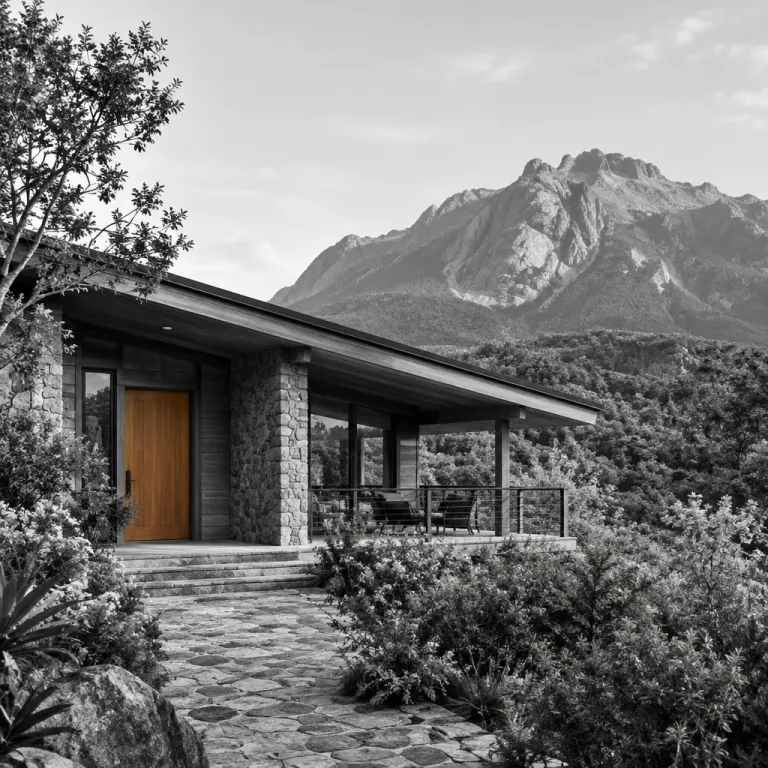
Kinabalu Park as Malaysia’s highland icon for luxury nature escapes
Kinabalu Park is Malaysia’s oldest national park and a UNESCO World Heritage Site. This protected Kinabalu mountain landscape in Sabah offers luxury travellers a rare mix of refined comfort and raw alpine drama, framed by the granite crown of Mount Kinabalu. For guests booking premium hotels, the Kinabalu Park setting delivers cool air, dense forest views, and a sense of seclusion that is hard to match.
The park covers about 75 370 hectares, with elevations rising from lowland forest to the 4 095 metre summit of this mountain giant. That altitudinal range creates multiple habitats, which Sabah Parks manages through zoning and strict conservation tools under the National Parks Ordinance. For visitors staying in hillside sanctuaries near the park headquarters, this translates into both comfort and close access to pristine trails, canopy viewpoints, and curated conservation experiences.
UNESCO recognised Kinabalu Park in 2000 because of its exceptional biodiversity, endemic species, and geologic uniqueness. Official assessments by the UNESCO World Heritage Centre and IUCN highlight that “What makes Kinabalu Park a UNESCO World Heritage Site? Exceptional biodiversity, endemic species, altitudinal diversity, geologic uniqueness”. Luxury hotels around this national park now integrate that conservation narrative into their guest journeys, from guided walks in montane forest to private transfers to the botanical garden and curated visits to the low peak viewpoints that frame Mount Kinabalu at sunrise.
Understanding fees, permits, and conservation for premium stays
Planning a high end stay around Kinabalu Park starts with understanding the structure of park fees and conservation charges. Every visitor entering this national park pays an entrance fee, while climbers add a climbing permit and a separate conservation fee that supports Sabah Parks research and habitat protection. For luxury travellers, these fees are usually bundled into climb packages or hotel arrangements, but it remains useful to know how they relate to conservation outcomes.
Sabah Parks manages visitor numbers, trail access, and overnight capacity to protect fragile mountain and forest ecosystems. As a guide, recent public schedules indicate that non-Malaysian adult entrance fees typically fall in the RM50–RM100 range, with conservation and climbing permits adding several hundred ringgit per climber depending on route and season. When a Malaysian guest or an international traveller books a premium room, the hotel’s concierge team often coordinates national park permits, explains the different fees per visitor category, and ensures that all documentation is ready before arrival in Kota Kinabalu or Ranau.
Luxury travellers who prefer wellness to a full Kinabalu climb can still contribute meaningfully to conservation. Many premium properties pair stays with guided day trips to the park headquarters, the forest trails, and the Poring Hot Springs area, where guests pay park fees that directly support Kinabalu conservation goals. If you are combining this mountain escape with a spa focused retreat elsewhere in Malaysia, consider pairing it with a stay at a serene hot springs retreat in Ipoh, which offers a complementary wellness perspective to the cooler climate of Kinabalu Park.
Where to stay: luxury hillside sanctuaries around mount Kinabalu
The most sought after luxury stays near Kinabalu Park cluster along the ridgeline roads leading to the park headquarters. Here, hillside sanctuaries offer panoramic views of Mount Kinabalu, with suites angled toward the low peak and higher pinnacles that catch the first light. Guests can book rooms where floor to ceiling windows frame the national park forest, while heated pools and fireplaces counter the cool mountain air.
Several premium lodges, such as Sutera Sanctuary Lodges at Kinabalu Park and boutique chalets in Kundasang, work closely with Sabah Parks and local Dusun communities to align hospitality with conservation. These properties often include private transfers from Kota Kinabalu, curated forest walks, and access to expert guides for a gentle Kinabalu climb or photography focused excursions. For travellers comparing options, an in depth guide such as elevated stays for mount Kinabalu can help match your preferred level of luxury with proximity to the national park entrance.
Some hillside sanctuaries specialise in pre and post climb packages, offering oxygenated relaxation rooms, gear drying facilities, and nutrition focused menus for guests attempting Mount Kinabalu. Others cater to non climbers who want to explore the forest, visit the botanical garden, or simply enjoy the cool climate without tackling the mountain. Whether you choose a property closer to Kota Kinabalu or one right beside Kinabalu Park, look for hotels that clearly explain how their rates incorporate park fees, conservation fee contributions, and optional climbing permit arrangements.
Designing a refined itinerary: from canopy walkways to hot springs
A well planned luxury itinerary around Kinabalu Park balances active exploration with restorative downtime. Many guests start with a gentle day in the national park, visiting the botanical garden, walking short forest trails, and enjoying views of Mount Kinabalu from accessible lookouts. This allows travellers to acclimatise to the cooler temperatures and understand the conservation story before tackling more demanding activities.
The canopy walkway experiences near the Poring Hot Springs area are a highlight for many travellers. Elevated walkways through the forest canopy offer a different perspective on the mountain ecosystem, with views across the park’s landscape and chances to see birds and orchids that thrive at these mid elevations. After the canopy walkway, guests often soak in the Poring Hot Springs pools, which provide a soothing contrast to the crisp air of the higher national park zones.
Luxury hotels can arrange private transfers between Kinabalu Park, the hot springs, and Kota Kinabalu, ensuring a seamless flow between activities. Some climb packages include a night at lower altitude near the hot springs after a Kinabalu climb, allowing muscles to recover in warm mineral water. When planning your days, alternate more demanding mountain or forest activities with slower experiences such as spa treatments, tea tastings, or quiet evenings on your balcony overlooking Kinabalu Park.
From Kota Kinabalu to the mountain: logistics for premium travellers
Most luxury journeys to Kinabalu Park begin in Kota Kinabalu, the coastal gateway city in Sabah. The drive from Kota Kinabalu to the park headquarters typically takes around two to three hours, climbing from sea level to cool mountain air. Many high end hotels and climb packages include private transfers, allowing guests to travel comfortably while watching the forested hills and villages of this part of Malaysia unfold outside the window.
For international guests, Kota Kinabalu also serves as a hub for combining Kinabalu mountain experiences with island stays in the nearby marine parks. It is common to spend a few nights on a tropical island before or after time in the mountain, creating a Malaysia itinerary that contrasts beach and forest, sea level and high altitude. When planning flights, consider arrival times that allow you to reach your hillside sanctuary near Kinabalu Park before dark, so you can appreciate the mountain silhouette on your first evening.
Travellers connecting through Kuala Lumpur International Airport may appreciate a smart airport hotel before flying onward to Sabah. A detailed review such as a smart urban retreat near Kuala Lumpur International Airport can help you choose a convenient stopover that fits a premium travel style. Once in Sabah, coordinate with your hotel or tour operator to confirm climbing permit details, conservation fee inclusions, and any special arrangements needed for Malaysian resident discounts or specific age categories.
Climbing Mount Kinabalu in comfort: permits, safety, and luxury support
Attempting a Kinabalu climb while staying in luxury accommodation requires careful coordination with Sabah Parks and licensed operators. Every traveller who plans to climb Mount Kinabalu must secure a climbing permit, pay the appropriate conservation fee, and join an approved guided group. Premium climb packages usually bundle these elements with transport, meals, and porter services, allowing guests to focus on the mountain rather than logistics.
Sabah Parks limits daily climber numbers to protect the national park environment and ensure safety on the mountain trails. Current practice means that permits can sell out several months in advance for peak seasons, especially for travellers seeking private or small group experiences, so aim to reserve at least three to six months ahead. Luxury focused operators often reserve allocations early, pairing high end pre climb stays near Kinabalu Park with comfortable mountain huts and attentive guide teams on the route.
Even for fit guests, the Kinabalu climb is a serious mountain undertaking, with altitude, weather, and terrain all demanding respect. Hotels with experience in this niche can advise on training, gear, and timing, as well as arrange post climb recovery at Poring Hot Springs or other wellness focused properties in Malaysia. Whether you are a Malaysian traveller or an international visitor, treat Mount Kinabalu as a true high mountain, and choose partners who demonstrate a clear commitment to safety, conservation, and respectful engagement with the national park.
Responsible luxury: supporting conservation and communities in Kinabalu Park
Luxury travel around Kinabalu Park carries both privilege and responsibility. This national park is home to more than 5 000 vascular plant species, around 1 000 orchid species, and hundreds of bird species, all compressed into a relatively compact mountain and forest landscape. Sabah Parks, local indigenous Dusun communities, and national partners work together to ensure that tourism supports conservation rather than undermining it.
When choosing hillside sanctuaries near Kinabalu Park, look for properties that clearly state their conservation commitments. This can include contributions to Sabah Parks research, support for invasive species control, and collaboration with local guides who share cultural perspectives on Mount Kinabalu and the surrounding park. Some hotels also highlight how conservation fee revenues and other park fees are channelled into long term projects that protect the forest and mountain habitats for future Malaysian generations and international visitors.
Responsible luxury also means respecting regulations on trail use, noise, and waste within Kinabalu National Park. Guests should follow guidance on staying on marked paths, limiting plastic use, and supporting community led experiences that keep economic benefits within Sabah. By aligning your spending with operators and hotels that prioritise conservation and community partnerships, travellers can help ensure that Kinabalu Park remains a benchmark for how Malaysia balances high end tourism with the protection of an irreplaceable mountain ecosystem.
Key figures for Kinabalu Park and luxury travel context
- Kinabalu Park covers about 75 370 hectares in northern Sabah, making it one of Malaysia’s most significant protected mountain areas and a core attraction for high end nature travel (data from Sabah Parks and UNESCO World Heritage Centre).
- Mount Kinabalu rises to approximately 4 095 metres above sea level, which means luxury climbers experience a true high mountain environment without leaving Malaysia (summit elevation reported by Sabah Parks).
- More than 5 000 vascular plant species and around 1 000 orchid species have been recorded in the national park, giving guests staying in hillside sanctuaries access to one of the world’s richest mountain floras (figures drawn from IUCN technical evaluations and Sabah Parks records).
- Birdwatchers visiting Kinabalu Park can encounter roughly 326 recorded bird species, a density that supports specialised premium birding itineraries combined with luxury accommodation (species count based on Sabah Parks monitoring).
- The park was first proposed in the early 1960s and inscribed as a UNESCO World Heritage Site in 2000, a timeline that underpins its status as Malaysia’s flagship conservation area and justifies the structured conservation fee system applied to every visitor.
FAQ: luxury stays and Kinabalu Park
What makes Kinabalu Park a UNESCO World Heritage Site ?
Kinabalu Park holds UNESCO World Heritage status because of its exceptional biodiversity, high number of endemic species, and dramatic altitudinal range from lowland forest to the summit of Mount Kinabalu. The combination of unique geology and rich ecosystems creates outstanding universal value. This recognition underpins strict conservation measures that all luxury and premium visitors must respect.
How high is Mount Kinabalu for climbers staying in luxury hotels ?
Mount Kinabalu reaches about 4 095 metres above sea level, making it the highest mountain in Malaysia and a serious objective even for well prepared guests. Climbers staying in luxury hillside sanctuaries usually transfer to the park headquarters early in the morning to start their ascent. The altitude gain and cooler temperatures mean that proper acclimatisation and guided support are essential.
How large is Kinabalu Park and how does that affect hotel choices ?
Kinabalu Park spans roughly 75 370 hectares, covering a wide range of habitats and elevations. Most luxury hotels are located along the main access roads near the park boundary, giving quick access to the national park entrance while preserving the core conservation zones. The park’s size allows for both intensive protection and carefully managed tourism corridors.
Do I need a permit and conservation fee if I only visit, not climb ?
Every visitor entering Kinabalu Park pays an entrance fee and a conservation fee that supports Sabah Parks management, regardless of whether they climb Mount Kinabalu. A separate climbing permit is required only for those attempting the summit. Luxury hotels often handle these formalities on your behalf, but you should still understand what each fee covers.
Can I combine Kinabalu Park with island or city stays in Sabah ?
Many premium itineraries pair Kinabalu National Park experiences with island resorts near Kota Kinabalu and short city stays. This allows travellers to enjoy both mountain and marine parks within a single Malaysia journey. Coordinated transfers and thoughtful pacing help maintain comfort while moving between sea level islands, urban hotels, and cool hillside sanctuaries around Kinabalu Park.