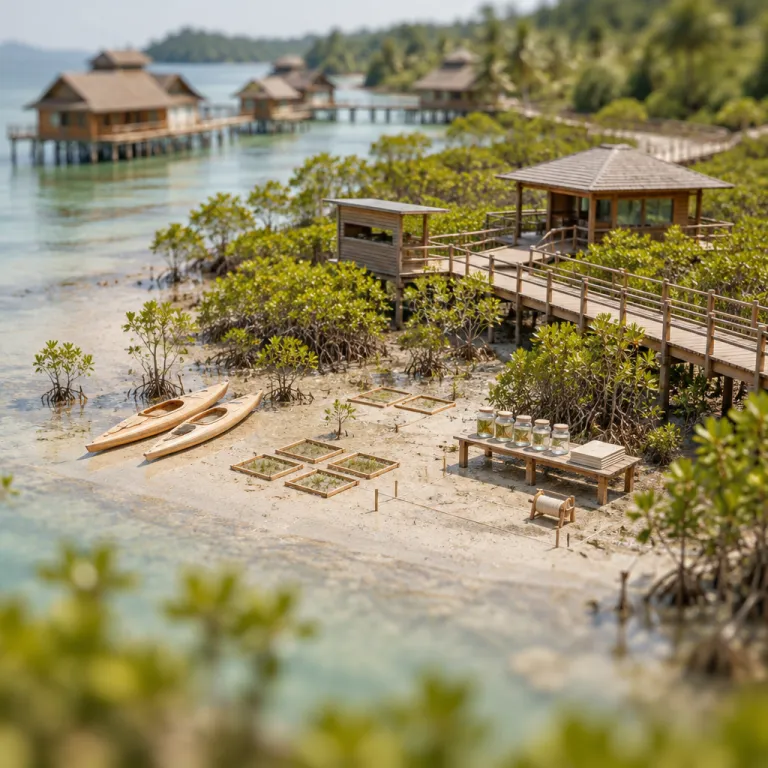
From donation box to doing the work: how conservation became a bookable luxury
Luxury travel in Malaysia has quietly shifted from passive giving to active doing. Instead of simply adding a few ringgit to a donation box, families now book wildlife conservation holidays where fieldwork is part of the itinerary. A new generation of eco‑conscious island resorts and rainforest lodges invites guests to roll up their sleeves, whether that means helping at a turtle hatchery, joining a reef survey or walking with researchers through ancient rainforest. For Premium Families, this is where a five star island resort stay becomes a living classroom rather than just another pool holiday.
Across Sabah and wider Borneo, properties inside or beside a national park or wildlife reserve now design structured programmes where conservation work is woven into the daily schedule. Instead of a discreet collection tin at reception, you might see a whiteboard listing that day’s marine park coral checks, rainforest lodge camera trap downloads or guided bird watching transects along a river trail. At some coastal centres, for example, staff record how many turtle nests are protected each season and invite children to help measure hatchlings before release under Sabah Parks guidelines. Children respond quickly when they can read their names on a field sheet and understand how their data feeds into real conservation projects.
Families choosing what they consider the best resort options increasingly ask how their stay supports wildlife and habitat protection. Properties that take conservation seriously tend to publish clear information about their partners, whether they are working with Sabah Parks on marine ecosystems, the Sabah Wildlife Department on rainforest research or rehabilitation centres such as the Bornean Sun Bear Conservation Centre and Sepilok Orangutan Rehabilitation Centre. When you book, ask how many hours of hands on wildlife work are realistically available for children and adults, how many years the programme has been running and whether activities are capped to protect the ecological balance of sensitive sites.
Where Malaysia makes it real: islands, rivers and rainforest that shape the experience
Malaysia’s geography does a lot of the heavy lifting for any wildlife‑focused family itinerary. On the coast of Sabah, Gaya Island sits within Tunku Abdul Rahman Marine Park, and several island resort properties here now weave marine conservation into family stays through guided snorkel transects and seagrass monitoring. One long‑running programme has logged thousands of fish and invertebrate records since 2010, sharing data with Sabah Parks to track reef health. The combination of calm island waters, accessible coral and a short boat ride from Kota Kinabalu makes Gaya Island an easy first step for younger children.
Further east, the lower Kinabatangan River winds through one of Borneo’s most wildlife rich corridors, where rainforest lodges sit between oxbow lakes and village jetties. Here, a family‑friendly conservation programme might include dawn boat surveys for proboscis monkey groups, night cruises to log crocodile eye shine and simple data entry sessions back at the lodge centre. Some lodges report more than 5,000 guest survey hours per year, with sightings shared with the Sabah Wildlife Department and NGOs such as WWF‑Malaysia to refine corridor planning. Parents appreciate that these river based activities feel adventurous yet remain structured and safe, while grandparents can stay on the deck and still enjoy bird watching over the water.
Inland, places such as Tabin Wildlife Reserve and Danum Valley Conservation Area anchor some of the country’s most respected rainforest lodge experiences. These are not theme parks but working research landscapes, where lodge‑based conservation teams coordinate with national park authorities on camera trap grids, sun bear monitoring and follow up on orangutan rehabilitation. In Danum Valley, for example, long term camera trap studies have documented clouded leopards, banteng and other elusive species, with some resorts inviting guests to help sort images and identify animals. Before you book, it is worth reading detailed explanations of how each lodge collaborates with its neighbouring wildlife reserve, and consulting guides such as this analysis of what eco certifications actually mean at Malaysian luxury resorts on beyond the green label.
How to tell real conservation from feel good marketing
Not every wildlife or eco resort promise stands up to scrutiny, and Premium Families are right to be sceptical. A credible programme usually starts with clear partnerships, whether with a government national park, a recognised rehabilitation centre or a long term research organisation that publishes its methods. When a resort talks about marine or rainforest projects but cannot name its partners, that is your first red flag. Independent assessments, such as WWF‑Malaysia’s reports on turtle nesting beaches or peer‑reviewed studies on orangutan corridors in Sabah, can also help you cross‑check claims.
Look for evidence that conservation work is designed around measurable outcomes rather than photo opportunities. Turtle hatchery visits should be scheduled to minimise stress on wildlife, reef activities should follow marine park protocols and any interaction with orangutan or sun bear projects should be strictly non contact. The Bornean Sun Bear Conservation Centre, for instance, states that “no direct handling by visitors” is allowed, a standard that responsible resorts mirror in their own wildlife encounters. If a property offers close handling of wild animals, especially for children, you are not looking at best practice conservation but staged entertainment.
Families can also ask how many years a programme has been running, how data is shared with national or regional authorities and whether independent researchers use the site. Some of the strongest models in Sabah and wider Borneo host visiting scientists who train guides in field methods, from bird watching surveys to proboscis monkey counts along the Kinabatangan River. Others publish simple annual summaries, such as the number of turtle nests monitored, reef clean‑up days completed or camera trap images processed by guests. For a broader sense of how sustainability expectations are reshaping high end stays, resources such as the overview of how national initiatives are changing luxury resort sustainability standards on this sustainability deep dive can help frame the questions you ask before confirming a booking.
Design, comfort and meaning: what Premium Families should expect on the ground
Parents booking a wildlife‑oriented holiday in Sabah or wider Borneo rarely want to compromise on comfort, and the good news is that they usually do not have to. Many of the region’s leading rainforest lodges and island resorts now pair serious conservation work with thoughtful design, from cross ventilated timber suites to shaded decks that frame natural wonders without dominating them. You might spend the morning logging reef fish in a marine park and the afternoon in a quiet spa, while your children help staff prepare enrichment toys for a nearby rehabilitation centre or assist with simple bird counts around the grounds.
Architecture matters because it shapes how your family moves between the wild and the cocoon of the resort. Some of the most interesting projects borrow from tropical modernism, using deep overhangs, open corridors and local materials to keep rooms cool while reducing energy use, a design language explored in depth in this guide to design forward stays across Malaysia on tropical modernism and the hotels it built. When a property’s layout makes it easy for children to walk from their room to a conservation classroom, jetty or nature trail without long transfers, participation rates rise and the work feels like a natural part of the day rather than a special excursion.
Service style also plays a role in how meaningful the stay becomes for different generations. Guides who can translate complex ecological concepts into stories, whether about a proboscis monkey family on the Kinabatangan or a sun bear rescued from the pet trade, help children connect emotionally with the landscape. Grandparents often value slower activities such as gentle bird watching walks, river cruises or evening talks about orangutan rehabilitation more than high intensity treks through dense rainforest, while parents appreciate clear briefings on safety, ethics and how their family’s time contributes to ongoing research.
Planning your own citizen science itinerary across Sabah and Borneo
Building a conservation‑minded journey for your family starts with mapping the ecosystems you want your children to experience. One classic loop in Sabah combines a stay on Gaya Island for marine work, a few nights along the Kinabatangan River for riverine wildlife and time at a rainforest lodge in Danum Valley or Tabin Wildlife Reserve. This mix exposes children to coral gardens inside a marine park, river based proboscis monkey and bird watching, and the deep quiet of ancient rainforest where orangutan rehabilitation stories feel very close.
When comparing island and inland options, think about your children’s ages, attention spans and comfort levels. Younger families often do well starting with a gentle marine focus on Gaya Island, where clear water and structured snorkel routes make it easy to understand how reef conservation work is done. Older children and teenagers usually relish the more demanding treks of Danum Valley, where guides explain how camera traps, sound recorders and long term data sets help national park authorities manage wildlife corridors across Borneo. Some lodges even offer simple workshops where teenagers help classify calls from gibbons or hornbills recorded overnight.
Some parents like to frame the trip as a series of missions, from logging a certain number of reef species to spotting key mammals such as proboscis monkey or learning how a rehabilitation centre prepares a sun bear for release. Others prefer a looser approach, letting children choose between river cruises, centre based talks or forest walks each day. Either way, the most memorable luxury often comes not from thread counts but from the moment a child realises that their notes on a clipboard will be read by a researcher who might be working in South Africa, Europe or another part of Asia on similar conservation questions, linking their holiday to a wider global effort.
FAQ
How do I know if a Malaysian resort’s conservation programme is legitimate ?
Look for clear partnerships with recognised organisations, such as Sabah Parks, the Sabah Wildlife Department, a long established conservation centre or a rehabilitation facility with transparent reporting. Credible properties can usually explain how their data feeds into wider wildlife management, whether for marine ecosystems, rainforest corridors or specific species such as proboscis monkey and sun bear. If staff struggle to answer basic questions about goals, methods, outcomes and how long the programme has been running, you are likely dealing with marketing rather than meaningful conservation work.
Are conservation focused resorts in Sabah suitable for young children ?
Many family‑oriented programmes in Sabah and wider Borneo are designed with younger guests in mind, especially along the Kinabatangan River and on Gaya Island. Activities such as gentle boat safaris, short rainforest walks, simple reef observations and centre based craft sessions can be tailored to different ages, while more demanding treks are reserved for teenagers and adults. Always ask the resort to outline which activities are age appropriate, how safety is managed on the river or in the marine park and whether guides are trained to work with children and brief them on respectful wildlife behaviour.
Will staying at a conservation oriented resort limit my comfort or privacy ?
High end rainforest lodges and island resorts in Malaysia increasingly combine serious conservation work with spacious suites, attentive service and strong privacy. You can expect air conditioned or well ventilated rooms, good food and thoughtful design even when you are deep inside a wildlife reserve or beside a national park. The main trade off is usually travel time to reach these remote natural wonders, not a reduction in comfort once you arrive, so it is worth planning extra nights to make the journey feel relaxed.
How much direct contact will my family have with wildlife during these stays ?
Ethical programmes prioritise observation over handling, so most encounters are at a respectful distance. On the Kinabatangan River you might watch proboscis monkey groups from a boat, while in Danum Valley you could see orangutans feeding high in the canopy or hear gibbons at dawn. Any resort offering close contact with wild animals, especially for photo opportunities, should be approached with caution because this usually conflicts with best practice conservation and with the guidelines followed by reputable centres such as Sepilok and the Bornean Sun Bear Conservation Centre.
Can one short holiday meaningfully support conservation in Malaysia ?
A single stay will not solve complex conservation challenges, but it can contribute in focused ways. When you choose a resort that funds long term research, supports a rehabilitation centre or helps manage a marine park, your spending reinforces models that protect habitats across Sabah and Borneo. Perhaps more importantly, your children return home with a deeper understanding of rainforest and marine ecosystems, which can shape how your family travels and gives in the future and may influence the questions they ask about wildlife wherever they go next.