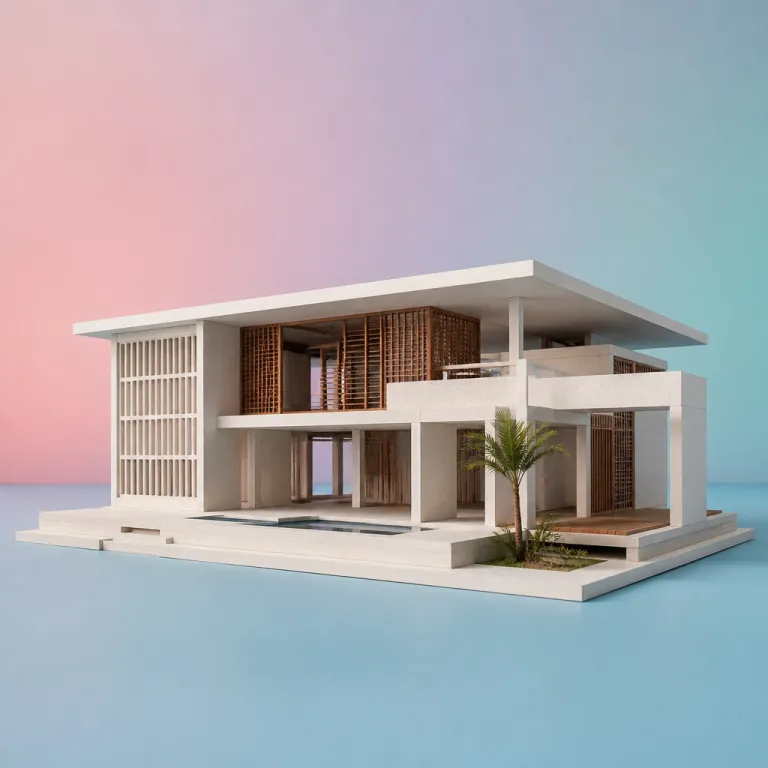
How tropical modernism shapes the Malaysian luxury hotel experience
Tropical modernism in Malaysia is not a decorative flourish; it is a climate strategy rooted in architecture and interior design. In a luxury hotel context, this design language means open pavilions, deep overhangs, and building forms that treat wind, shade, and rain as collaborators rather than enemies. When you book a design hotel in Malaysia, the architecture becomes part of your comfort long before the air conditioning clicks on, drawing on principles of tropical architecture and passive cooling rather than mechanical systems alone.
The movement emerged across Southeast Asia in the mid to late 20th century as architects searched for a modern building vocabulary that respected heat, humidity, and monsoon light. In Malaysian architecture, that search produced hotel projects where indoor and outdoor rooms blur, where an open lobby might feel like a refined village square, and where local stone, timber, and clay tiles replace anonymous global finishes. An architectural project in this context is judged not only by how it photographs, but by how it channels breezes at 15.00 on a humid afternoon and moderates glare without relying solely on tinted glass.
For travellers, the payoff is tangible even if you never use the term architecture design during your stay. You notice that your room in Kuala Lumpur stays cool because the building is oriented away from harsh western sun, or that a pool pavilion in Kota Kinabalu feels serene because the architect framed the view like a traditional Malay house verandah. These are not abstract design gestures; they are decisions that shape sleep quality, how you move between spaces, and whether a hotel feels like a generic box or a place rooted in Malaysia’s climate and landscape.
From heritage shophouses to skyline statements in Kuala Lumpur
Penang’s historic shophouses were some of the first Malaysian buildings to be reimagined as intimate, design led hotels. In George Town, narrow house plots became layered sequences of courtyards, plunge pools, and artist lofts style suites, proving that small scale projects could deliver some of the best architecture for hospitality in the country. These conversions showed that a hotel could honour an existing building while still offering contemporary rooms and refined service, often within footprints of only a few dozen keys.
The design arc continues in the capital, where Kuala Lumpur now treats architecture as a calling card for new luxury openings. Properties such as KLoé Hotel, designed by Domaine Architects and opened in 2020 with around 80 rooms according to the hotel’s own information, position themselves as urban houses for creative travellers, with rooms that feel like curated studios rather than standard boxes. If you are interested in how design hotels are reshaping the city’s skyline and street life, the in depth feature on design led hotels reshaping Kuala Lumpur on mymalaysiastay.com is an essential companion read.
Across the wider city of Kuala Lumpur, international names and local architects compete to define what a modern Malaysian hotel building should be. Some projects lean on glass and steel towers that could stand in any global city, while others use brick, timber screens, and lush planting to express a more local Malaysia design narrative. As more hotel resorts and mixed use buildings arrive in Lumpur Malaysia, the most memorable stays are often those where the architecture feels like a thoughtful evolution of the shophouse and kampung house, not a break from them, and where passive design strategies are integrated into the skyline.
Coastal retreats and rainforest escapes where the building meets the land
On the coasts and islands, tropical modernism becomes even more explicit in how it stages the relationship between building and landscape. At Mandarin Oriental, Desaru Coast, Kerry Hill Architects use low slung pavilions, shaded walkways, and water courts to create a sequence of rooms that always keep the South China Sea in peripheral vision. Opened in 2020 with just over 100 keys according to publicly available hotel data, the resort’s architecture design is less about spectacle and more about calibrating light, breeze, and privacy so that every suite feels like a refined beach house.
Across Malaysia, from Langkawi to Kota Kinabalu, the best hotel resorts now treat their sites as delicate projects rather than blank canvases. Architects work with environmental consultants and landscape architects to position buildings around existing trees, to use passive cooling techniques such as cross ventilation and stack effect, and to ensure that each project leaves as much of the terrain untouched as possible. When you walk from your room to breakfast under a canopy of preserved rainforest, you are experiencing a design decision as much as a sustainability gesture, and a clear example of climate responsive hotel architecture in Malaysia.
This sensitivity extends to adaptive reuse, where an existing building might be transformed into a coastal retreat instead of being demolished. In some Malaysian cities, former government houses and low rise buildings have become intimate hotels with only a few rooms, their thick walls and deep verandahs perfectly suited to tropical modernism. For travellers booking through a curated platform, these smaller properties often deliver a richer sense of place than larger, more anonymous buildings that ignore the land they occupy and the opportunities of tropical architecture Malaysia is known for.
Inside the room: where interior design and architecture quietly direct your stay
Step inside a well considered Malaysian hotel room and you feel tropical modernism working at a more intimate scale. The interior design is usually pared back, with a restrained palette of timber, rattan, stone, and textiles that echo the building’s exterior architecture. Instead of heavy drapery and sealed windows, you might find sliding screens, ceiling fans, and cross ventilation that let you choose between air conditioning and natural airflow, reinforcing the passive cooling logic of the wider hotel.
Studios such as Seshan Design and Domaine Architects have become reference points for how to choreograph these interiors in Kuala Lumpur and beyond. At KLoé Hotel, for example, Domaine Architects created artist lofts inspired rooms where double height spaces, mezzanines, and custom furniture turn each suite into a small project in its own right. In Penang, Ministry of Design’s work at The Prestige Hotel, a 162 room property completed in 2019 according to the design studio’s published portfolio, shows how a strong interior concept can echo a building’s colonial era shell while still feeling resolutely contemporary.
Across Malaysia, the most successful rooms are those where interior design and architecture are clearly in dialogue. A balcony might be recessed deep into the building to provide shade, while the interior palette extends that shadow play with textured walls and carefully positioned lighting. When you book a design forward hotel in Malaysia, architecture is not just the lobby statement; it is the quiet logic that makes your room feel both luxurious and unmistakably local, and connects interior comfort to broader ideas of sustainable hotel design.
Global standards, local architects and the future of Malaysian hotel buildings
International brands bring powerful design toolkits to Malaysia, but they also face a tension between global standards and local identity. A firm such as Foster + Partners, known for high tech glass and steel buildings, must adapt its approach when working in a humid, equatorial city like Kuala Lumpur. The most successful collaborations are those where global architects partner closely with Malaysian architects and local Sdn Bhd design practices to tune each project to climate and culture, aligning international hotel standards with tropical architecture principles.
At the same time, a new generation of Malaysian architecture studios is asserting its own voice in hotel projects. Firms based in Petaling Jaya, Penang, and Kota Kinabalu are producing buildings that balance international polish with a deep understanding of local materials, crafts, and construction methods. These architects are often behind the award winning small scale hotels that quietly set new benchmarks for best architecture in the country, and that are frequently highlighted in regional design awards and hospitality publications.
As sustainability expectations rise, more Malaysian hotels are embracing strategies such as biophilic design, smart technology, and adaptive reuse of existing buildings. Travellers who care about how their stay impacts the environment can look to guides on how luxury resorts are reshaping sustainability expectations on mymalaysiastay.com for practical context. In this evolving landscape, the most compelling design hotels in Malaysia will be those where architecture, interior design, and operations align to create buildings that feel both timeless and unmistakably of their place, while quietly reducing energy demand through passive cooling hotels strategies.
FAQ
What is tropical modernism in Malaysian hotel architecture ?
Tropical modernism in Malaysian hotel architecture is an approach that blends modern design with climate responsive strategies such as open floor plans, natural cross ventilation, and deep shading. It often uses local materials like timber, stone, and clay tiles to create buildings that feel rooted in place. In hotels, this means pavilions, verandahs, and courtyards that encourage indoor outdoor living while keeping guests comfortable in heat and humidity through passive cooling and thoughtful orientation.
Which hotels in Malaysia best represent tropical modernism ?
Several Malaysian hotels are frequently cited as strong examples of tropical modernism in hospitality. Mandarin Oriental, Desaru Coast by Kerry Hill Architects, The Prestige Hotel in Penang by Ministry of Design, and KLoé Hotel in Kuala Lumpur by Domaine Architects all use architecture and interior design to respond to climate and context. These properties show how design forward hotels can feel luxurious without relying on sealed glass towers or generic international styling, and they are often referenced in discussions of tropical architecture Malaysia wide.
How does hotel architecture affect the guest experience in Malaysia ?
Hotel architecture in Malaysia directly shapes how cool, quiet, and connected to nature a stay feels. Thoughtful building orientation, shading, and ventilation can reduce reliance on air conditioning and create more comfortable rooms and public spaces. Guests may not always recognise the architectural decisions, but they notice better sleep, more pleasant transitions between indoors and outdoors, and a stronger sense of being in a specific Malaysian city or landscape rather than in a generic resort.
Are smaller design led hotels better for experiencing Malaysian architecture ?
Smaller design led hotels in Malaysia often provide a more intense architectural experience because each room and space can be treated as a detailed project. Heritage conversions in Penang shophouses or low key rainforest retreats typically have fewer keys, which allows architects to work closely with existing buildings and landscapes. Large hotel resorts can also be well designed, but intimate properties tend to express Malaysian architecture and local materials more clearly, especially when they adopt tropical modernism principles.
When is the best time to visit Malaysia for architecture focused hotel stays ?
For travellers interested in architecture focused hotel stays, visiting Malaysia during the drier months usually offers the most comfortable conditions for exploring buildings and outdoor spaces. Lower rainfall makes it easier to appreciate open air lobbies, courtyards, and rooftop terraces that are central to tropical modernism. Regardless of season, staying in hotels that prioritise natural ventilation and shading can make the climate feel more manageable and the architecture more legible, especially in coastal resorts and rainforest retreats.