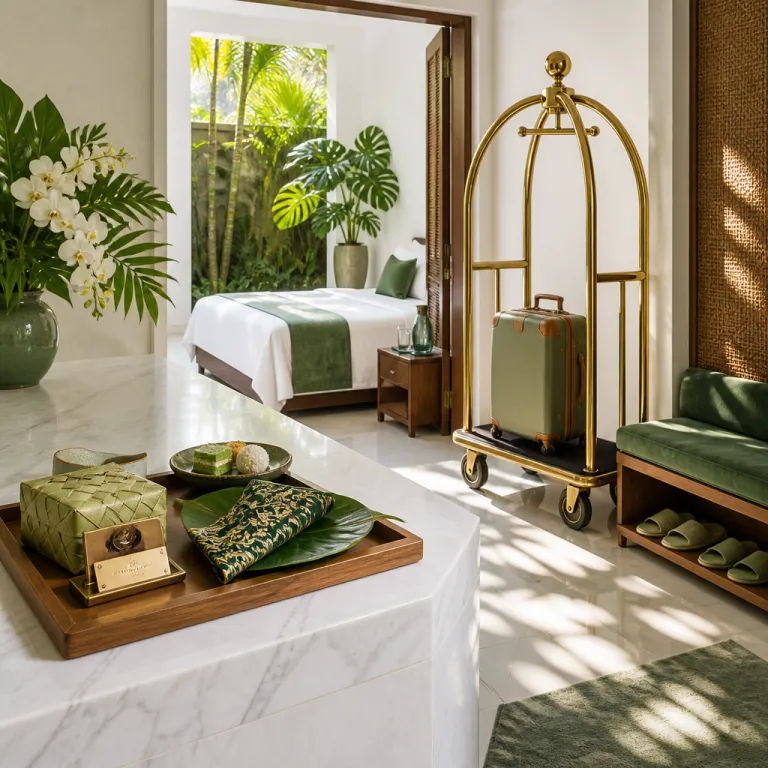
The cultural layers behind Malaysian luxury hotel service
Malaysian hospitality service in any luxury hotel begins long before you reach the room. In malaysia, the way a front desk agent greets you in kuala lumpur or on a quiet island resort reflects a blend of Malay warmth, Chinese precision, Indian generosity and indigenous intuition that feels instantly personal. That mix shapes how hotels and resorts read your mood, adjust their service tempo and quietly tailor each stay without announcing the effort.
In the capital, a seasoned concierge at a hotel kuala property might switch from English to Malay to Mandarin in a single conversation. This multilingual ease is not a performance ; it is how staff in kuala lumpur grew up speaking at home, and it lets them catch nuance that monolingual teams in other hotels sometimes miss. The result is a style of hospitality where you feel understood quickly, whether you are checking into a city hotel for business travel or a resort langkawi retreat for a slower pace.
On the coasts and in borneo, that same malaysian hospitality service luxury hotel culture leans into local rhythm. Staff at an island resort near gaya island or at laut resort off pangkor laut may move more slowly, yet they anticipate needs with almost kampung instinct. You sense it when someone appears with chilled water just after a humid walk, or when a manager quietly adjusts your rate package because the malaysia seasons weather has disrupted your plans.
Kampung mentality in glass towers and rainforest resorts
The kampung, or village, mentality is the quiet engine of Malaysian hospitality service in every luxury hotel. In lumpur malaysia skyscraper hotels and in cameron highlands retreats, staff carry a sense of community duty that goes beyond scripted service standards. You notice it when a housekeeper remembers how you take your tea, or when a bellman in kuala lumpur walks you to a nearby hawker stall instead of just pointing.
At coastal retreats such as tanjong jara and jara resort on the east coast, kampung values shape the entire guest journey. The welcome feels like arriving at a family home, with staff using your name naturally and adjusting schedules around the tides and seasons rather than rigid timetables. This same spirit appears in resorts genting properties, where teams juggle high visitor volumes yet still manage small gestures, like sending a handwritten note to solo guests who arrive late from travel delays.
Peak malaysia seasons bring another layer of complexity to this service culture. Hotels resorts from resort langkawi to laut resort near pangkor laut must balance high occupancy, fluctuating rates and the expectation of seamless luxury. Properties that handle this gracefully, such as those highlighted in guides to hotels that manage peak season with poise, show how kampung instincts and professional training can coexist without compromising either side.
From curb to room key: the choreography of arrival
The first ten minutes in any malaysian hospitality service luxury hotel set the emotional tone for your stay. Across malaysia, service rituals from the driveway to the lobby desk follow a familiar pattern, yet each hotel adds its own cultural inflection. Industry standards say, “Check-in: 2pm-3pm; Check-out: 11am-12pm.”, but the way staff flex around those times reveals the property’s true character.
In kuala lumpur, a ritz carlton doorman may greet you by name if you have stayed before, while a team at majestic malacca might offer a cool towel scented with local citrus before you even reach the front desk. Many hotels now pair this with digital check-in options, allowing you to confirm your room preferences and rate details before arrival, then shift the lobby interaction toward conversation rather than paperwork. Guests are encouraged to confirm check-in and check-out times in advance, request early check-in when long haul travel demands it and ask about late check-out options if their onward flight leaves after sunset.
On islands such as langkawi malaysia or at gaya island retreats in borneo, the choreography slows and stretches. Staff may escort you through gardens, explain how the island resort works with local communities and quietly note any dietary needs for later dining experiences. For deeper strategies on shaping this arrival moment, resources on how to secure the perfect luxury hotel stay in Malaysia offer practical frameworks that align neatly with what the best hotels already practice.
Language, small gestures and the quiet power of memory
Language is the most visible tool in malaysian hospitality service luxury hotel settings, yet it is the smallest gestures that linger. A front desk équipe in lumpur kuala might shift from English to Malay when discussing rates with local guests, then slide into Mandarin or Tamil for families who feel more at ease in those languages. This code switching is not a trick ; it is a sign that hotels in malaysia hire staff whose everyday speech already spans cultures.
Those same teams use language to soften the hard edges of rate discussions and room negotiations. When a rate needs to be clarified, a manager might explain the difference between flexible and advance purchase options in clear English, then repeat the essentials in Malay for an elder relative, ensuring everyone understands the value and the conditions. In island settings such as resort langkawi or pangkor laut, staff often weave local stories into these conversations, turning a simple room upgrade into a short lesson on tides, monsoon seasons and the best hours for quiet swimming.
Beyond words, Malaysian hospitality expresses itself through rituals that feel almost invisible. A fruit plate in a kuala lumpur suite might feature whatever is best that week in malaysia seasons markets, while a turndown note in cameron highlands could include weather tips for the next morning’s tea plantation walk. Over several stays, hotels resorts that take memory seriously will recall your preferred pillow, your usual dining time and even your favourite corner table, making each return visit feel less like a transaction and more like a relationship.
How Malaysian luxury compares: city icons and island sanctuaries
Comparing malaysian hospitality service luxury hotel experiences with neighbours is revealing. Thai properties often lean into formal grace, while Balinese resorts foreground spiritual warmth, yet malaysia offers something more grounded in everyday life. The service feels less choreographed and more like a conversation that can move from lobby to street food stall without losing its elegance.
In kuala lumpur, international brands such as ritz carlton or a seasons hotel often allow Malaysian general managers to localise global standards. You see this in how they handle dining recommendations, steering guests toward neighbourhood kopitiam cafés as confidently as toward fine dining rooms. On the coasts, places like tanjong jara, jara resort and island retreats near gaya island or pangkor laut show how a seasons resort style of polish can coexist with kampung rooted generosity, especially when managers give their équipes permission to improvise.
Highland and hill destinations add yet another layer to the story. In cameron highlands, heritage hotels and newer hotels resorts blend English colonial architecture with Malaysian hospitality, serving afternoon tea with the same care they bring to late night room service. Genting, by contrast, is about scale, yet even large resorts genting properties rely on small, human touches to stand out, from staff who walk families through self check-in kiosks to teams who quietly adjust rates when weather disrupts planned activities.
FAQ
What are typical check-in and check-out times in Malaysian luxury hotels ?
Most luxury hotels in malaysia follow industry norms, with check-in usually scheduled between 14:00 and 15:00 and check-out between 11:00 and 12:00. Some properties in kuala lumpur and major resort areas may offer earlier access if rooms are ready. Always confirm exact times with your chosen hotel before you travel.
Can I request early check-in or late check-out at a resort or city hotel ?
Guests can request early check-in or late check-out at almost any malaysian hospitality service luxury hotel, whether in kuala lumpur, genting or langkawi. Approval depends on occupancy and may involve an additional rate or half day charge. Asking in advance and noting your arrival time in the booking often improves your chances.
How does digital check-in work in Malaysian luxury hotels ?
Many hotels and hotels resorts in malaysia now offer digital check-in through their websites or mobile applications. You typically confirm your room type, arrival time and payment details online, then collect a key card or digital key on arrival with minimal paperwork. This system is especially useful in busy city properties and large resorts genting complexes.
Is service different between city hotels and island resorts in Malaysia ?
City hotels in kuala lumpur or lumpur malaysia tend to emphasise speed, efficiency and business friendly amenities. Island properties such as resort langkawi, laut resort or retreats near gaya island focus more on slower pacing, nature based activities and extended dining experiences. Both share the same Malaysian hospitality foundations, but the rhythm and rituals adapt to their setting.
How can I choose the right Malaysian luxury hotel for my trip ?
Start by deciding whether you prefer an urban base in kuala lumpur, a cool escape in cameron highlands or an island resort such as pangkor laut or langkawi malaysia. Compare rates, room categories and dining options, then read detailed reviews that focus on service quality rather than only facilities. For structured guidance, consult expert led resources that explain how to secure the perfect luxury hotel stay in Malaysia and apply those criteria to your shortlist.
Trusted references
Malaysia Tourism Promotion Board ; Malaysian Association of Hotels ; Pacific Asia Travel Association.