Urban luxury in kuala lumpur for discerning city travellers
The capital of Malaysia, Kuala Lumpur, blends urban drama with quiet refinement. In this dynamic city, luxury and premium hotels create elevated retreats that soften the pace of rapid growth and constant movement. Travellers who understand how to read the city can turn every stay into a curated urban escape.
Set within the federal territory, the core of Kuala Lumpur city stretches from the KLCC Park to the entertainment quarter of Bukit Bintang. Here, the Petronas Twin Towers define the skyline, while shaded streets and elevated walkways connect malls, parks, and hotels in climate controlled comfort. This compact layout matters in a hot humid climate, because guests value minimal walking distances between suites, restaurants, and cultural highlights.
Historically, Kuala Lumpur grew from a tin mining settlement at the confluence of the Klang River and the Gombak River. That early trading post, once managed under the guidance of administrators such as Frank Swettenham, has evolved into one of the most influential hubs in Southeast Asia. The population has expanded from a small Malay and Chinese community into a cosmopolitan mix that now supports a sophisticated hospitality scene.
Today, premium hotels in Kuala Lumpur sit close to government offices, financial towers, and major shopping streets. This proximity allows business travellers to move efficiently between meetings, while leisure guests enjoy easy access to galleries, parks, and dining. When you choose a hotel, consider how the location aligns with your own rhythm in the city.
Many visitors focus on the famous Twin Towers and overlook quieter corners of Kuala Lumpur that offer more privacy. Properties near the older Kuala Lumpur railway station, for example, provide a sense of heritage and calmer streets. Balancing iconic views with restful surroundings is the first step toward selecting an urban retreat that truly suits you.
Choosing the right district in kuala lumpur for an urban retreat
Location defines the character of your stay in Kuala Lumpur. Each district within the federal territory offers a different blend of nightlife, culture, and calm, so understanding these nuances helps you match the city to your expectations. Think in terms of micro neighbourhoods rather than a single central area.
Bukit Bintang is the most obvious choice for many visitors, because this part of Kuala Lumpur city concentrates malls, rooftop bars, and international restaurants. Hotels here place you within a short walk of Jalan Alor, Pavilion Kuala Lumpur, and the monorail, which is ideal if you enjoy late evenings and bright street life. However, the same energy that attracts some guests can feel overwhelming for travellers seeking a quieter urban retreat.
Near the Petronas Twin Towers and KLCC Park, luxury hotels frame views of the towers and landscaped gardens. This area of Kuala Lumpur offers a more polished atmosphere, with direct access to high end shopping and the Suria KLCC mall. Families appreciate the green space and the relative calm compared with the busier streets of Bukit Bintang.
To experience a more historic side of Kuala Lumpur, consider staying closer to the river confluence and the older quarters near Merdeka Square. Here, colonial era buildings recall the days when the Federated Malay States and later Federation Malaya were administered from nearby government offices. The architecture reflects a mix of Islamic, Malay, and European influences that shaped the early identity of the Malaysian capital.
Travellers planning a wider journey across Malaysia sometimes combine a stay in Kuala Lumpur with time in Borneo. For those itineraries, it can be useful to review guidance on Kota Kinabalu city hotels and how to start a Borneo trip in the capital. Aligning your urban retreat in Kuala Lumpur with onward flights and regional connections ensures that both city and nature focused segments of your journey feel seamless.
Designing an urban retreat experience in a hot humid climate
The climate in Kuala Lumpur is consistently hot humid, which shapes how luxury hotels design their spaces. Thoughtful properties use greenery, water features, and shaded terraces to soften the heat and create a sense of retreat within the city. When you evaluate hotels online, look closely at how they handle outdoor and semi outdoor areas.
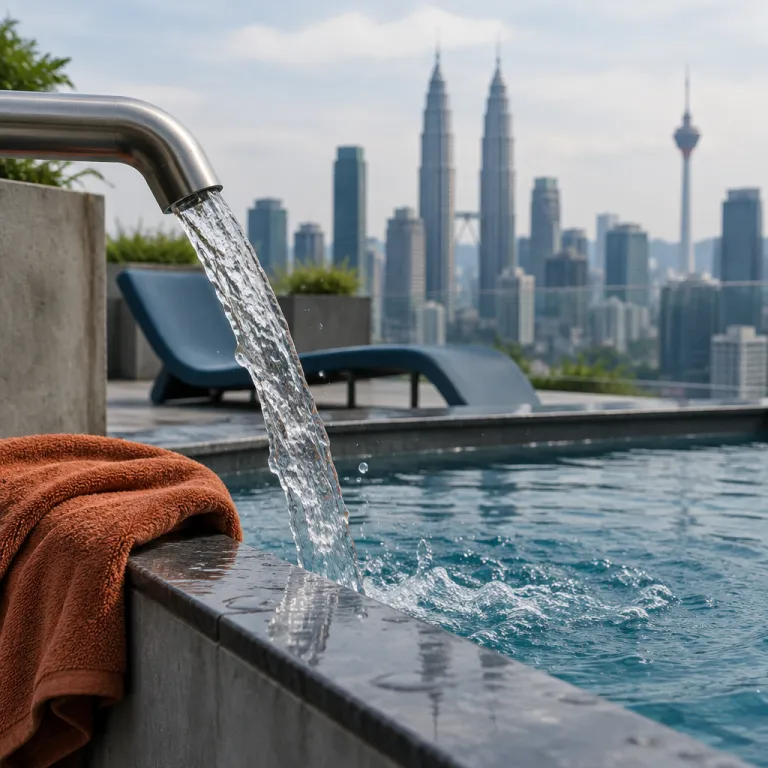
Infinity pools on high floors are now common in Kuala Lumpur city, but the best urban retreats go further by integrating cabanas, quiet decks, and poolside service that extends into the evening. In a climate where daytime sun can be intense, the ability to enjoy the skyline after dusk becomes a key part of the experience. Look for hotels that schedule spa treatments, private dining, or even yoga sessions at cooler hours to respect the rhythm of the weather.
Interior design also responds to the hot humid environment in Kuala Lumpur. High ceilings, natural materials, and layered lighting help rooms feel calm after time spent on busy streets or in crowded malls. Effective soundproofing is essential in districts such as Bukit Bintang, where nightlife continues late into the night.
Families planning an urban retreat often seek a balance between city excitement and restorative downtime. For multi generational trips, it is worth exploring guidance on family adventures at Malaysia’s best resorts, then applying the same principles to your Kuala Lumpur hotel choice. Prioritise properties that offer interconnecting rooms, child friendly pools, and easy access to shaded parks.
Some of the most satisfying stays in Kuala Lumpur combine urban comforts with short excursions into nature. Day trips to the Batu Caves or the forest trails around the Klang Valley allow you to experience limestone hills and tropical greenery before returning to a high rise sanctuary. This contrast between natural landscapes and refined city comforts defines the appeal of an urban retreat in Malaysia.
Cultural layers around kuala lumpur’s luxury hotel districts
Urban retreats in Kuala Lumpur gain depth when you understand the cultural layers surrounding each district. The city grew from a tin mining hub at the meeting of the Klang River and the Gombak River, attracting traders from Malay states, Chinese communities, and Indian merchants. That early diversity still shapes the streets around many premium hotels today.
In the area near Petaling Street, for example, you step into one of the oldest Chinese quarters in the city. Here, traditional shophouses, temples, and herbal medicine stores sit a short ride from modern towers and luxury suites. Staying in a hotel within easy reach of this quarter allows you to move between contemporary comforts and historic textures in a single afternoon.
The influence of Islamic and Malay heritage appears in mosques, food, and festivals across Kuala Lumpur. Near Merdeka Square and the National Mosque, you can see how the Malaysian government integrated national symbols into the urban fabric after independence from colonial rule. Hotels in this area often reference local motifs in their interiors, from songket inspired textiles to geometric patterns drawn from Islamic art.
As the capital of Malaysia, Kuala Lumpur also hosts key national institutions and government offices. This status within the federal territory means that diplomatic visitors, business leaders, and cultural delegations regularly pass through the city. Luxury hotels respond with discreet service, secure access, and meeting spaces that support high level events.
For travellers, these cultural and political layers translate into a richer stay. You might spend the morning in a spa overlooking the Twin Towers, then walk to a heritage café on a quiet street that once served early tin traders. Understanding how the city’s population and history intersect with modern hospitality helps you choose hotels that feel connected rather than isolated.
From heritage rail to modern towers: navigating kuala lumpur with ease
Movement is central to any urban retreat in Kuala Lumpur, because the way you navigate the city shapes your sense of calm. The transport network combines heritage elements such as the old Kuala Lumpur railway station with modern systems like the MRT, LRT, and monorail. Choosing a hotel with direct access to these lines can significantly reduce travel time and fatigue.
Many premium properties in Kuala Lumpur city connect to air conditioned walkways that link malls, offices, and transit hubs. This network is especially valuable in a hot humid climate, where even short walks under direct sun can feel tiring. When reviewing hotel maps, check how far you must walk outdoors to reach the nearest station or major mall.
The skyline of Kuala Lumpur is dominated by towers, from the Petronas Twin Towers to newer skyscrapers in the KLCC and TRX districts. While views of these landmarks are desirable, they also signal proximity to busy roads and construction sites. Guests who prioritise quiet may prefer hotels slightly removed from the densest clusters of towers, yet still within a short ride of key attractions.
Historically, the city’s layout evolved from early settlements along the river and tin trading routes. Under colonial administration and later the Federated Malay States, infrastructure such as bridges, roads, and rail lines connected Kuala Lumpur to other parts of Federation Malaya. Today, expressways and rail links extend that connectivity across peninsular Malaysia and into the Klang Valley suburbs.
For travellers planning seasonal trips, it is helpful to understand how weather and regional patterns affect movement. Insights on luxury experiences that pause when the east coast monsoon arrives can inform when you schedule both city stays and coastal escapes. Aligning your Kuala Lumpur retreat with favourable travel conditions ensures that transfers, excursions, and even simple walks feel effortless.
Planning premium stays that connect kuala lumpur with wider malaysia
An urban retreat in Kuala Lumpur often serves as the anchor for a wider Malaysian journey. The city’s role as a federal and economic hub means that flights, rail lines, and highways radiate outward to beach resorts, highland retreats, and wildlife destinations. Thoughtful planning allows you to use the capital as both a gateway and a sanctuary.
From Kuala Lumpur, you can reach the limestone formations of Batu Caves in the Klang Valley within a short drive or train ride. Many travellers choose to visit the caves in the early morning, then return to their hotel pool or spa before the heat builds. This pattern of short excursions followed by restorative downtime works well in a hot humid climate.
The Malaysian government has invested heavily in infrastructure that supports tourism and business across the country. Highways link Kuala Lumpur to coastal states, while airports in Penang, Langkawi, and Kota Kinabalu connect the capital to island and Borneo experiences. When booking hotels, consider how check in and check out times align with domestic flight schedules.
Within the city, the population reflects a blend of Malay, Chinese, Indian, and expatriate communities, which translates into a wide range of dining and cultural options. Luxury hotels often curate experiences that highlight this diversity, from Malay cooking classes to guided walks through Petaling Street and nearby temples. These activities allow you to engage with the city while still returning to a calm, well managed base.
As you plan, remember that Kuala Lumpur is not only a stopover but a destination in its own right. The combination of historic streets, modern towers, and riverfront developments offers enough depth for several days of focused exploration and relaxation. Treating the capital as an urban retreat rather than merely a transit point will elevate the overall quality of your Malaysian journey.
Key figures and urban context for kuala lumpur stays
- The population of Greater Kuala Lumpur is often estimated at around eight million residents, making it one of the largest metropolitan areas in Southeast Asia according to recent Malaysian government and regional planning sources.
- Kuala Lumpur’s average daytime temperature typically ranges between 31 and 33 degrees Celsius, with humidity often above 80 percent, which explains why many luxury hotels prioritise shaded pools and air conditioned walkways.
- The Klang Valley Integrated Transit System combines LRT, MRT, monorail, and commuter rail lines, serving several hundred thousand daily passengers, which significantly improves access between hotel districts and business areas.
- The Petronas Twin Towers stand at 452 metres, and for several years they were recognised as the tallest buildings in the world, a status that helped position Kuala Lumpur as a global city for business and tourism.
- Batu Caves, located about 13 kilometres north of central Kuala Lumpur, attract large crowds during major Hindu festivals, which encourages many travellers to base themselves in the city for convenient access.
FAQ about luxury and premium hotel stays in kuala lumpur
Which area of kuala lumpur is best for a first luxury stay ?
For a first visit, many travellers choose either the KLCC area near the Petronas Twin Towers or Bukit Bintang. KLCC offers green space, direct mall access, and a slightly calmer atmosphere, while Bukit Bintang provides nightlife, dining variety, and easy transit connections. Your choice depends on whether you prioritise quiet elegance or energetic streets.
How many nights should I spend in kuala lumpur for an urban retreat ?
A stay of three to four nights allows enough time to enjoy hotel facilities and explore key districts. With this duration, you can visit KLCC, Bukit Bintang, Petaling Street, and Batu Caves without rushing. Longer stays work well if you plan spa days, shopping, or day trips into the Klang Valley.
Is kuala lumpur suitable for families seeking a premium city break ?
Yes, Kuala Lumpur works very well for families, especially when you choose hotels with pools, interconnecting rooms, and kids’ facilities. Attractions such as KLCC Park, aquariums, and nearby theme parks provide varied activities for different ages. The city’s compact core and extensive transit network also make movement with children relatively straightforward.
What is the best way to move between hotel districts in kuala lumpur ?
The most efficient options are the LRT, MRT, and monorail lines that connect major hotel areas. Many luxury properties sit within walking distance of stations or are linked by covered walkways to nearby malls and transit hubs. For late night returns or when carrying luggage, metered taxis and ride hailing services are widely available.
When is the most comfortable period to enjoy an urban retreat in kuala lumpur ?
The climate is hot humid throughout the year, with short, intense rain showers common in the afternoon. Many travellers prefer months with slightly lower rainfall, but modern hotels are designed to handle changing weather with covered pools, indoor lounges, and flexible dining spaces. Planning activities for mornings and evenings, while reserving midday for indoor relaxation, helps you enjoy the city comfortably.